
Quick Identification Guide: Bees Swarming Around Your Home
Identify What You Are Seeing
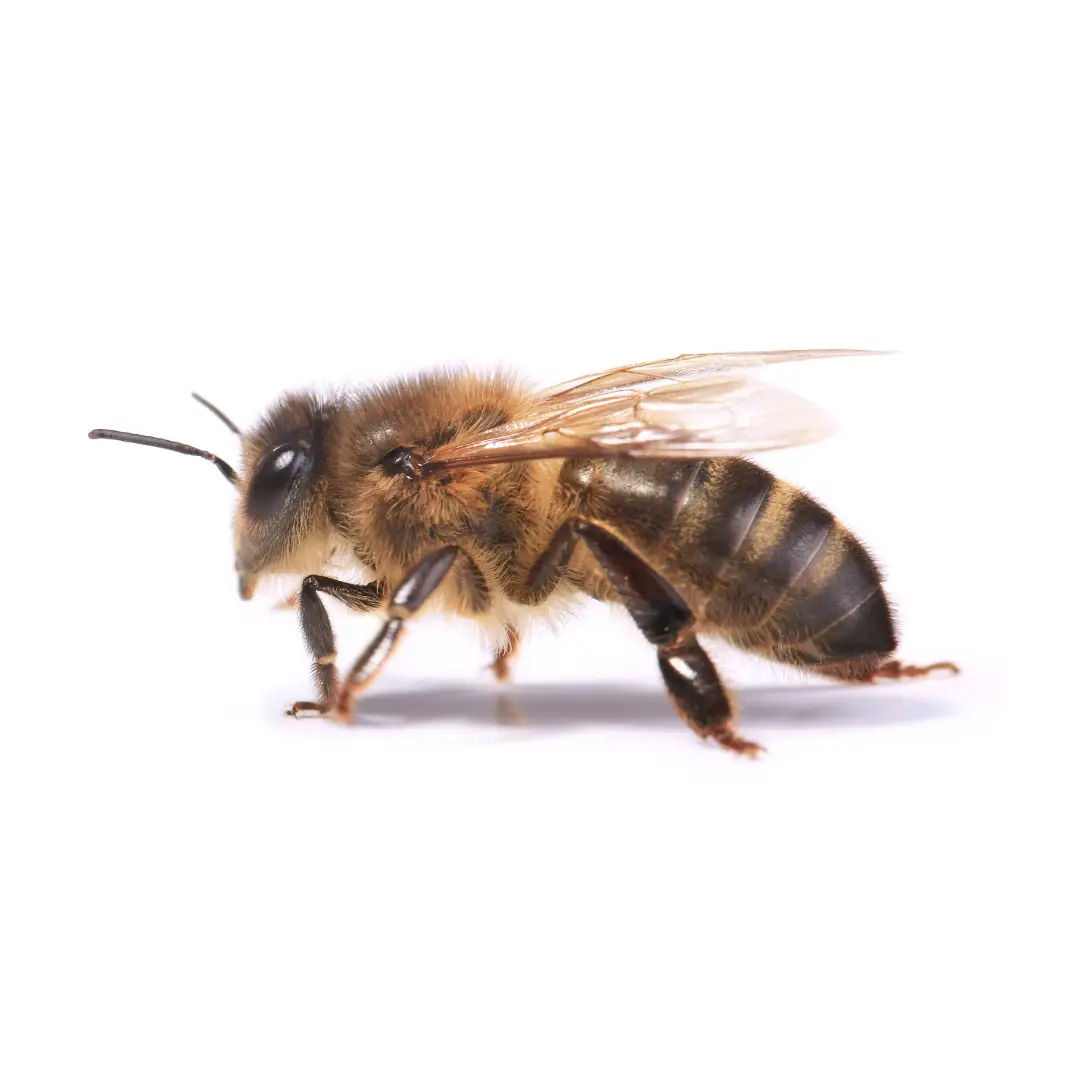
- Honey Bees: Typically golden-brown with black stripes. They are social and live in large colonies. Honey bee swarms are often seen in spring or early summer.
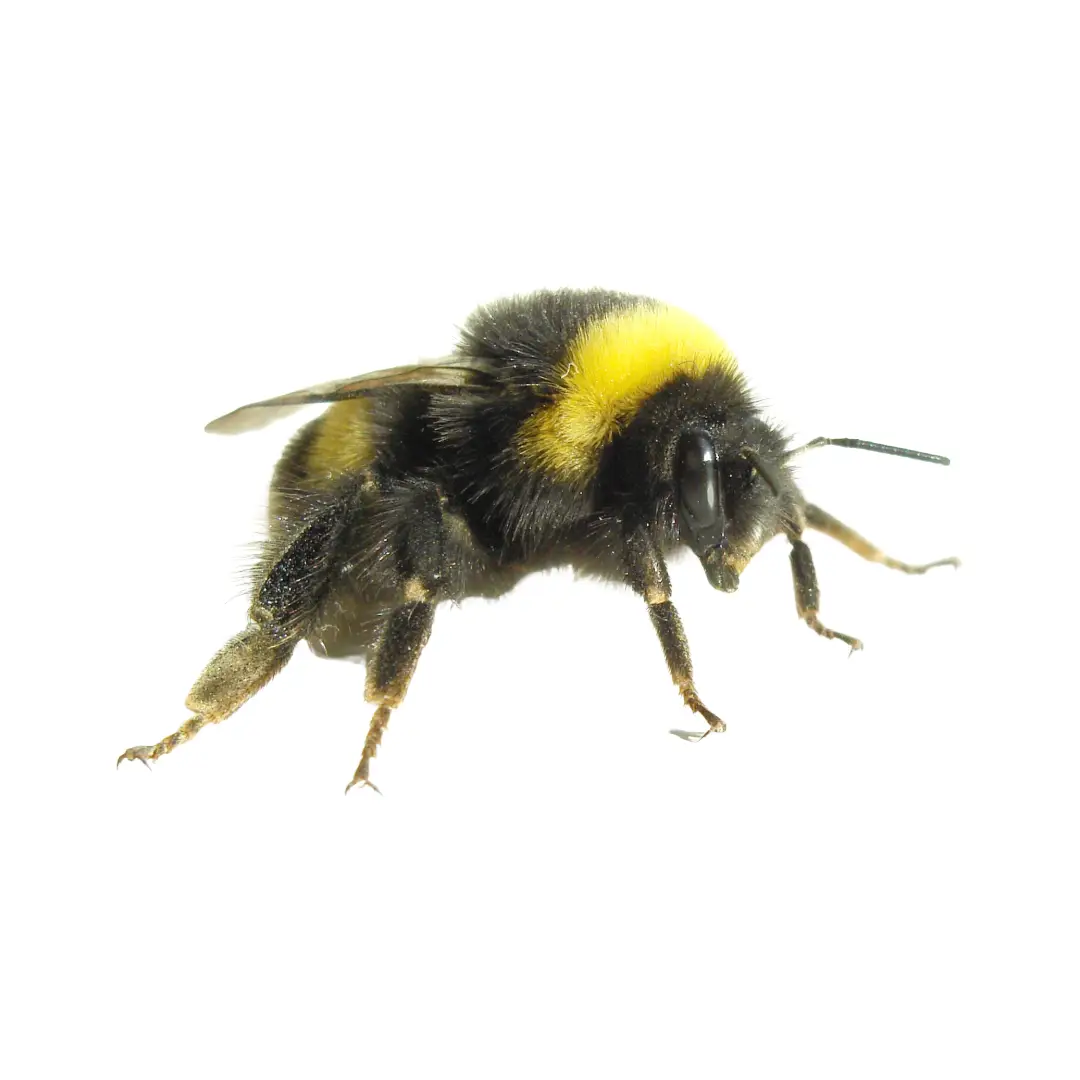
- Bumblebees: Larger, with fuzzy bodies and a distinctive black and yellow pattern. They are less aggressive and usually nest in the ground or in cavities.
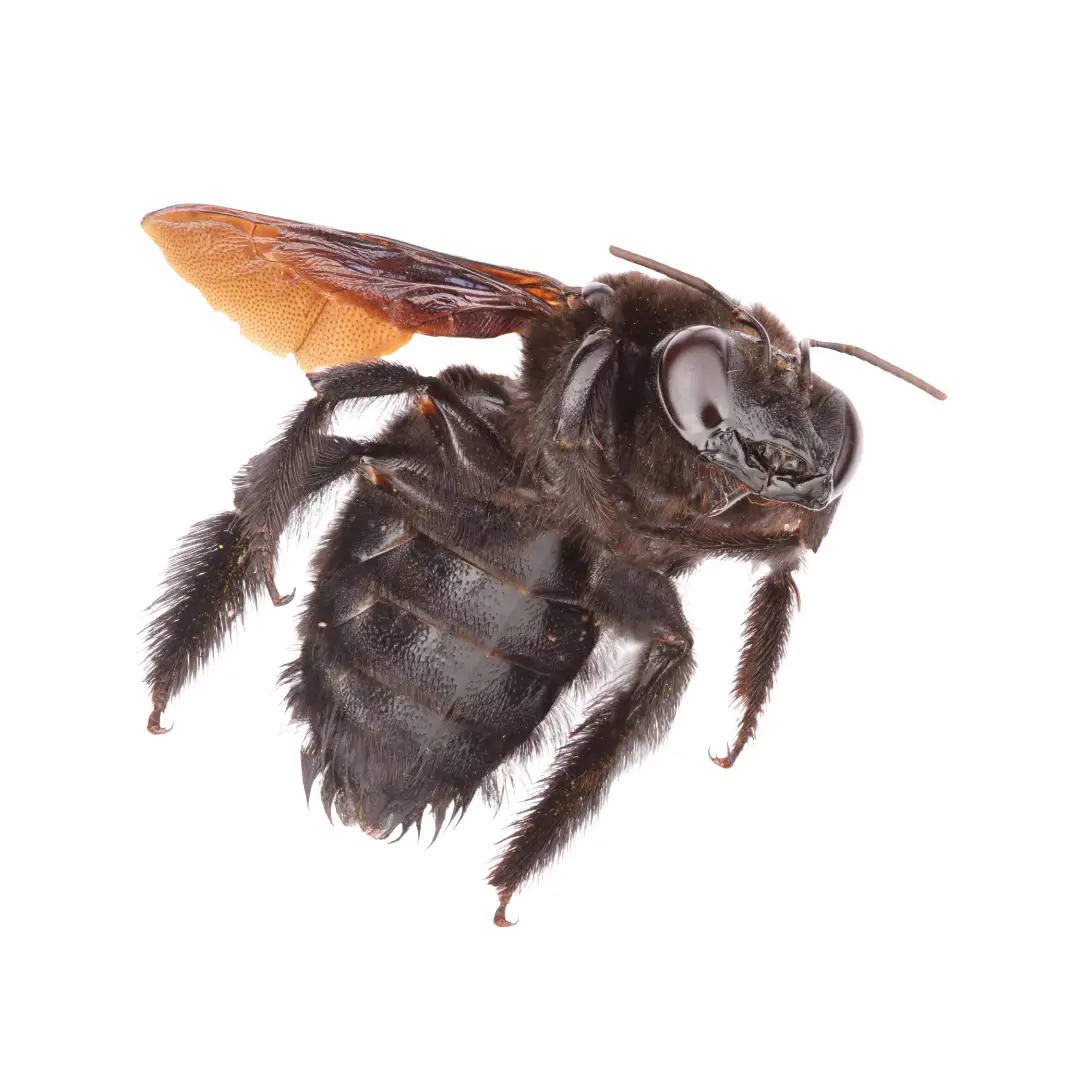
- Carpenter Bees: Resemble bumblebees but have a shiny, black abdomen. They bore into wood to create nests.
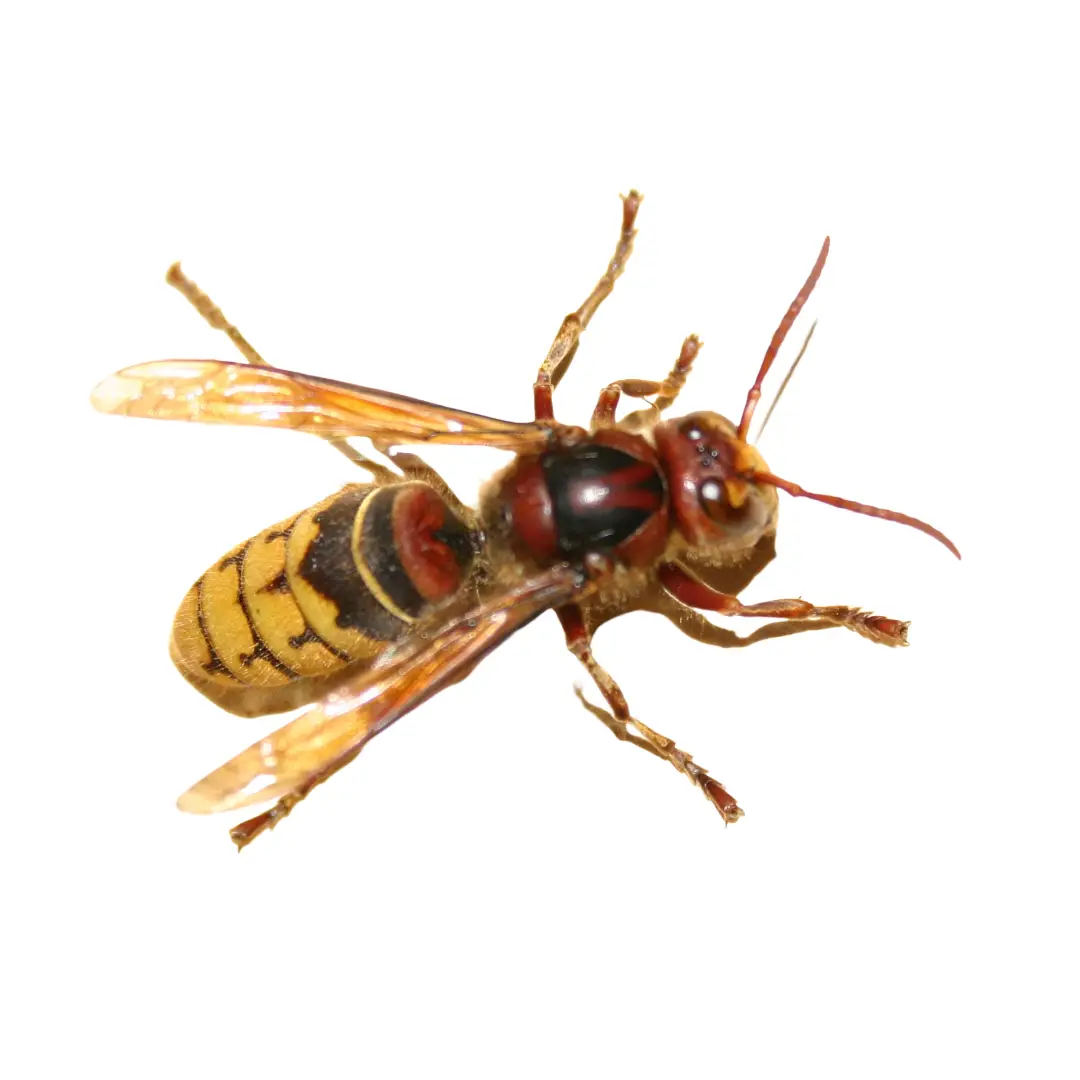
- Wasps and Hornets: These are not bees but are often mistaken for them. Wasps have slender bodies and smooth, shiny skin. Hornets are larger and more aggressive.
Assess the Situation
- Swarming Behavior: Swarms are generally non-aggressive as bees are searching for a new home. This behavior is common in honey bees and typically occurs in the spring.
- Nesting: If bees are actively entering and exiting a specific area, they may have established a nest.
Pest Details
Summary
Bumble bees are social insects that live in small colonies. They are known for their large, fuzzy bodies and gentle nature. They are important pollinators and generally non-aggressive unless threatened.
Interior
Rarely found inside homes; may occasionally enter through open windows or doors.
Exterior
Under porches, in gardens, in abandoned rodent burrows, in compost piles, under sheds.
Common Signs Of Infestation
- Presence of large, fuzzy bees flying low over flowers and vegetation.
- Nests in hidden areas such as under porches or in abandoned burrows.
Services Needs
Bumble bees are protected pollinators and we have never found a compelling reason to even attempt to exterminate.
Preparation For Service
N/A
Pest Details
Summary
European hornets are social insects that build large, paper-like nests in hollow trees, attics, and wall voids. They are active during the day and night and can be aggressive when their nest is threatened.
Interior
Attics, wall voids, garages, basements.
Exterior
Hollow trees, under eaves, in sheds, barns, and outbuildings, around window frames.
Common Signs Of Infestation
- Presence of large hornets flying around nesting sites.
- Large, paper-like nests in trees, attics, or wall voids.
- Buzzing sound near nesting areas.
- Increased hornet activity around outdoor lights at night.
Services Needs
European hornet treatment requires specialty services due to their aggressive nature and the difficulty of nest removal. This is not included in our general pest control programs.
Preparation For Service
- Avoid approaching the nest to prevent aggressive behavior.
- Keep windows and doors closed, especially at night when lights are on.
- Inform the pest control professional of the specific location of nests.
Pest Details
Summary
Carpenter bees are solitary bees that burrow into wood to create nests. They are often mistaken for bumblebees but have a smooth, shiny abdomen.
Interior
Rarely found inside homes unless there are wooden structures; may be seen around windows if they accidentally enter.
Exterior
Under eaves, decks, wooden railings, fences, around window frames, under wooden siding.
Common Signs Of Infestation
- Perfectly round holes in wood surfaces.
- Sawdust near wooden structures.
- Yellowish-brown stains on wood (bee excrement).
- Presence of adult bees hovering around wooden structures.
Services Needs
A Carpenter Bee treatment is a specialty services and not covered under our general pest control program.
Preparation For Service
Inform the pest control professional of any specific areas where bees have been seen.
Pest Details
Summary
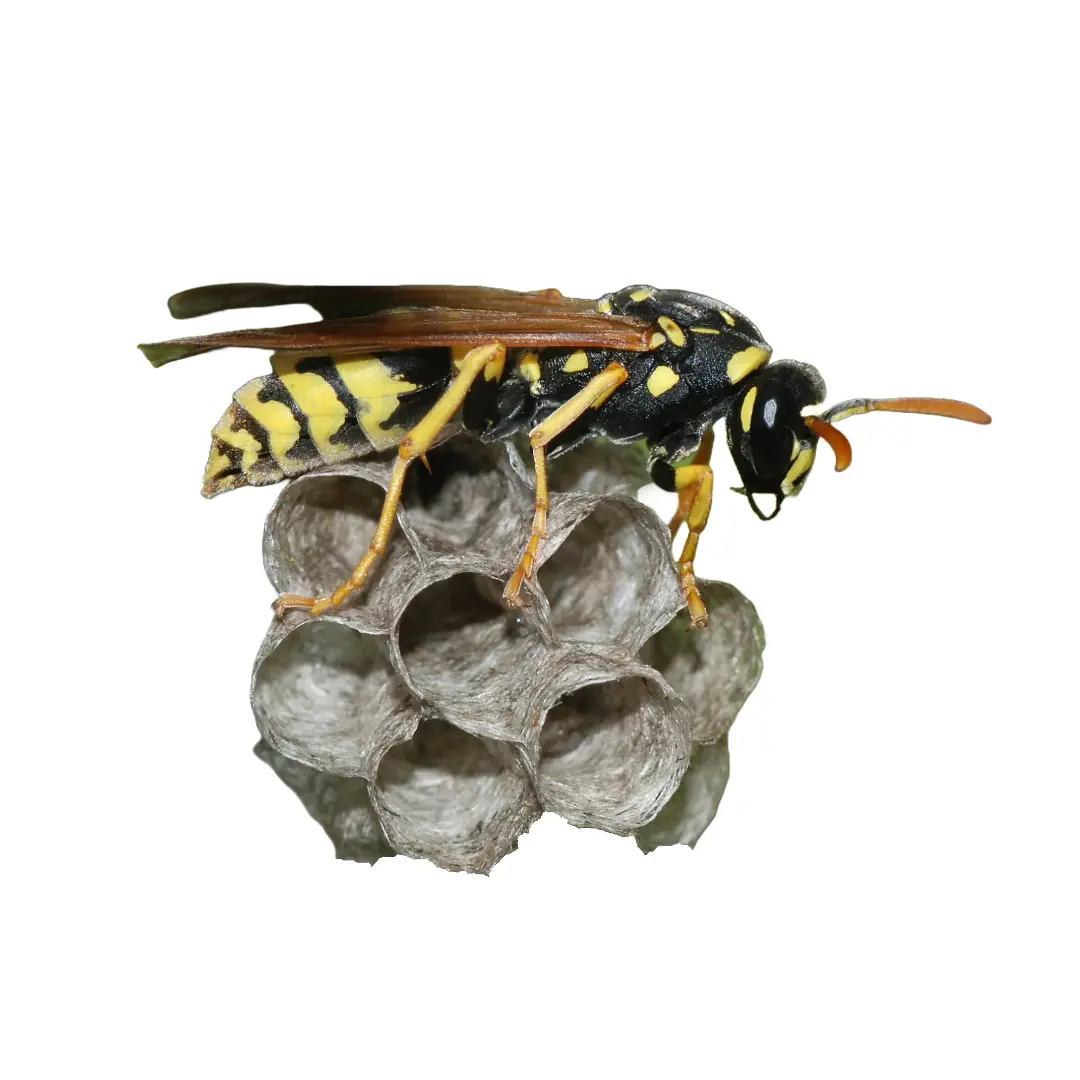
Paper wasps are social insects known for building umbrella-shaped nests out of paper-like material. They are often seen around human habitats and can be aggressive when their nests are disturbed.
Interior
Rarely found nesting inside homes unless nests are built in wall voids or attics. In spring time they may try and exit these area through light fixture or gaps trying to get outside, but mistakenly coming inside.
Exterior
Under eaves, roof overhangs, in shrubs, trees, around window frames, under decks.
Common Signs Of Infestation
- Visible nests hanging from eaves or other sheltered locations.
- Presence of adult wasps flying around and building their paper cone nests.
Services Needs
Paper wasp treatments are included in our general pest control programs.
Preparation For Service
- Avoid disturbing the nests to prevent aggressive behavior.
- Keep windows and doors closed to prevent wasps from entering the home.
- Inform the pest control professional of the specific locations of nests.
Pest Details
Summary
Interior
Exterior
Common Signs Of Infestation
Services Needs
Preparation For Service
See our preparation sheet
Pest Details
Summary
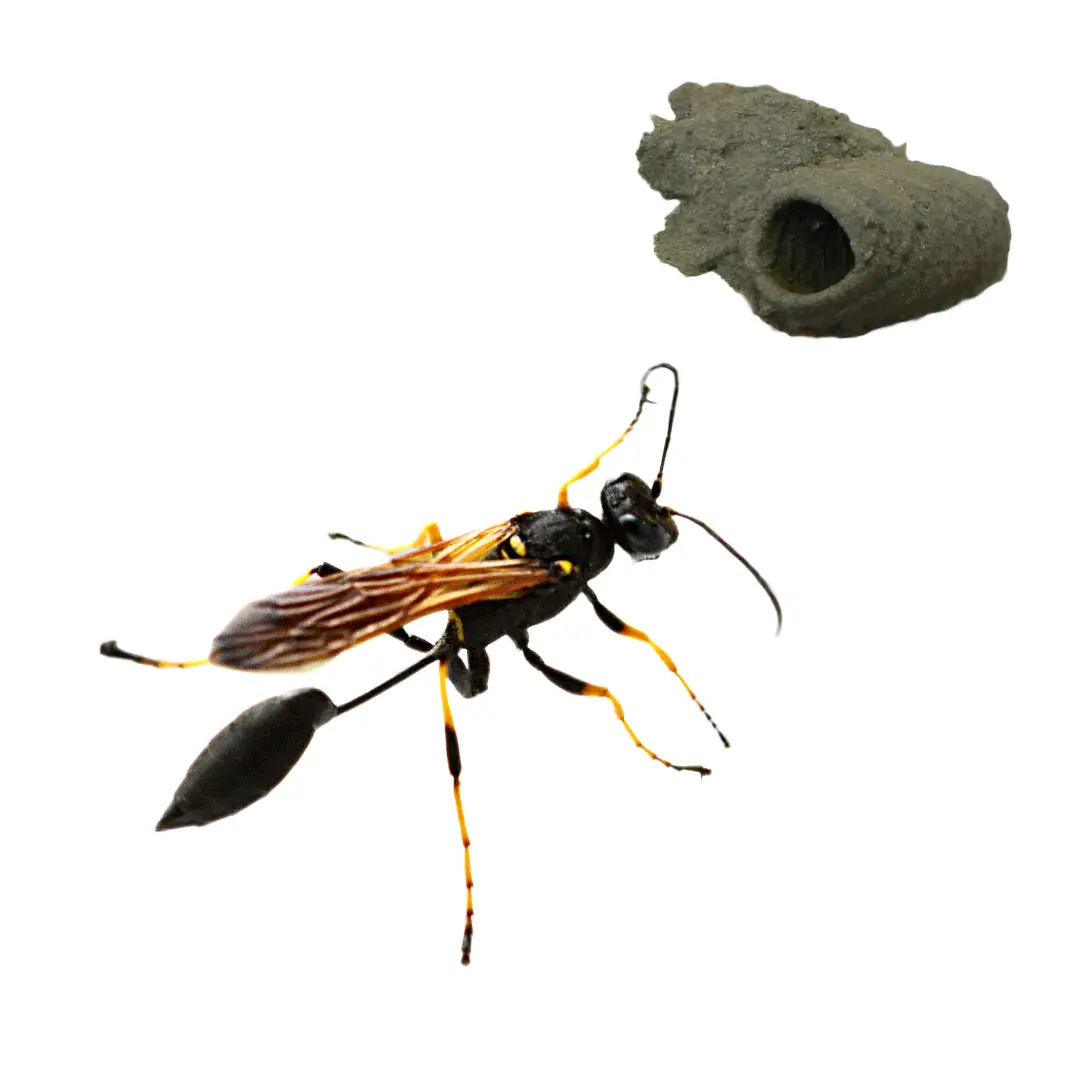
Mud dauber wasps are solitary insects known for building mud nests on walls, ceilings, and other structures. They are non-aggressive and help control spider populations.
Interior
Attics, basements, garages, sheds, rarely seen inside living areas unless they accidentally enter.
Exterior
Under eaves, on walls, in sheds, garages, under decks, on porches.
Common Signs Of Infestation
- Mud nests attached to walls, ceilings, and other structures.
- Presence of adult wasps flying near nesting sites.
- Small, round holes in dried mud nests, indicating emerged wasps.
Services Needs
Mud dauber wasp treatment does not require specialty services and is included in our general pest control program.
Preparation For Service
- void disturbing the nests to prevent wasps from abandoning them.
- Keep windows and doors closed to prevent wasps from entering the home.
- Inform the pest control professional of the specific locations of nests.
Local Pest Control In Your Area?
Our team of seasoned pest specialists is committed to ensuring a home that is free from pests for your peace of mind.