Quick Identification Guide: Noises in the Attic Or Walls
Identify the Type of Noise
- Scratching or Scrabbling: This could indicate small animals like mice, rats, or squirrels.
- Thumping or Bumping: Larger animals like raccoons or opossums may be the cause, especially if the noises are loud.
- Chirping or Squeaking: Birds or bats might be present, particularly if the noise is softer and continuous.
- Rattling or Rustling: Could suggest the presence of snakes or insects, especially if accompanied by hissing or buzzing.
Check for Physical Evidence
- Droppings: Different animals leave distinctive droppings. Mice and rats leave small, pellet-like droppings, while raccoons leave larger ones. Bird droppings may also be present.
- Nests or Bedding Material: Look for nests made of shredded paper, insulation, or other materials. Birds, squirrels, and rodents often create these.
- Damage to Insulation or Wires: Chewed wires or damaged insulation can indicate rodents. Be cautious, as damaged wires can be a fire hazard.
Inspect Common Entry Points
- Vents and Chimneys: Birds and bats often enter through roof vents or chimneys. Ensure these are securely covered.
- Holes and Gaps: Check for holes or gaps in the roof, eaves, and walls. Rodents and other small animals can squeeze through surprisingly small openings.
- Eaves and Soffits: Squirrels and raccoons may enter through gaps in eaves or soffits.
Differentiate from Other Potential Causes
- Insects: Large insect infestations can sometimes cause noise, especially if they’re building nests or colonies.
- Structural Issues: Sometimes, noises can be due to settling or expanding structures, particularly in older homes.
Pest Details
Summary
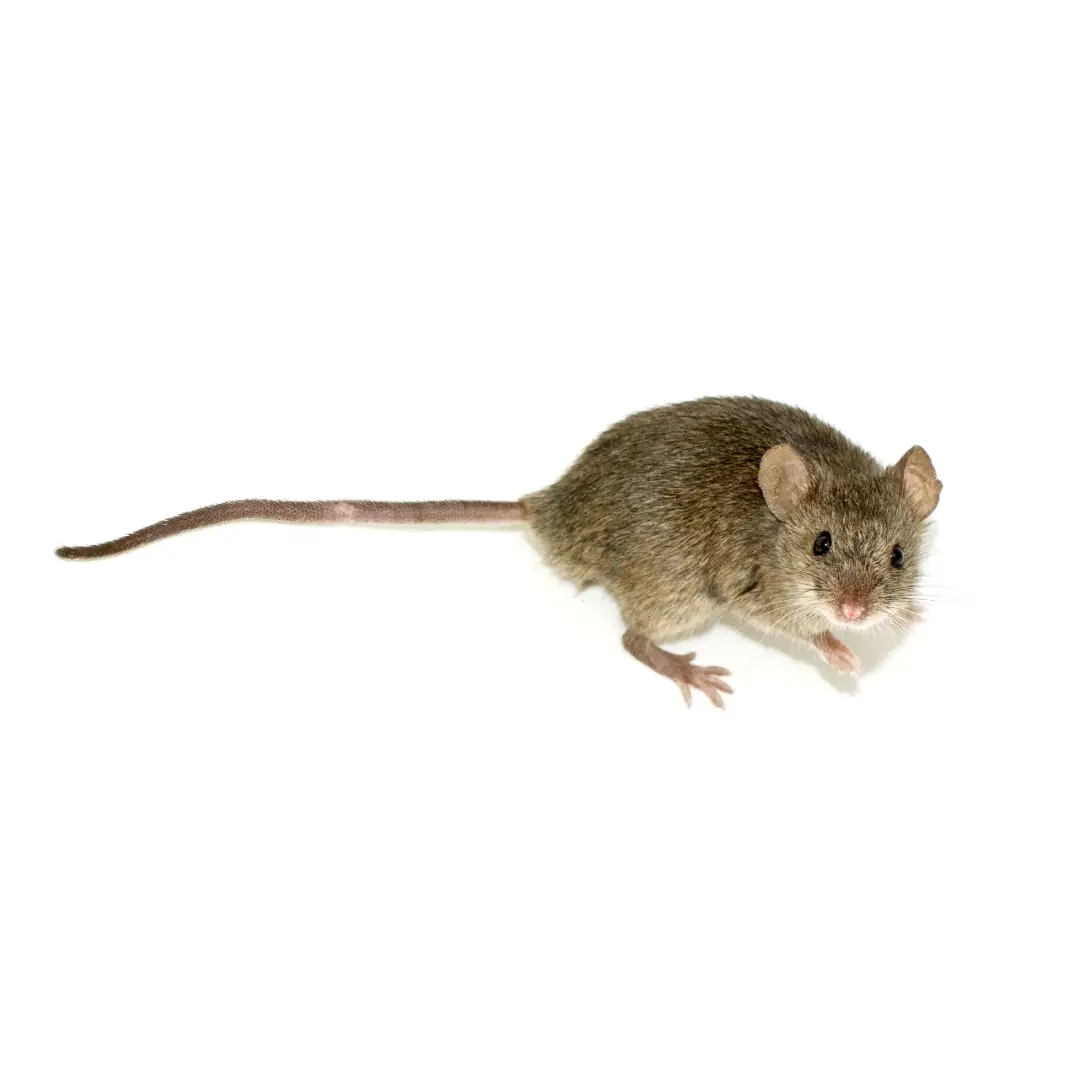
Active year-round, house mice are nocturnal and seek warmth and food inside homes.
Interior
Kitchens, pantries, and inside walls; often near food sources.
Exterior
Near foundations, in gardens, and under decks.
Common Signs Of Infestation
Droppings, gnawed materials, and nesting materials like paper or fabric.
Services Needs
General pest control program; may require rodent-specific treatments.
Preparation For Service
Remove food sources, store food in sealed containers, and clear access to infested areas.
Pest Details
Summary
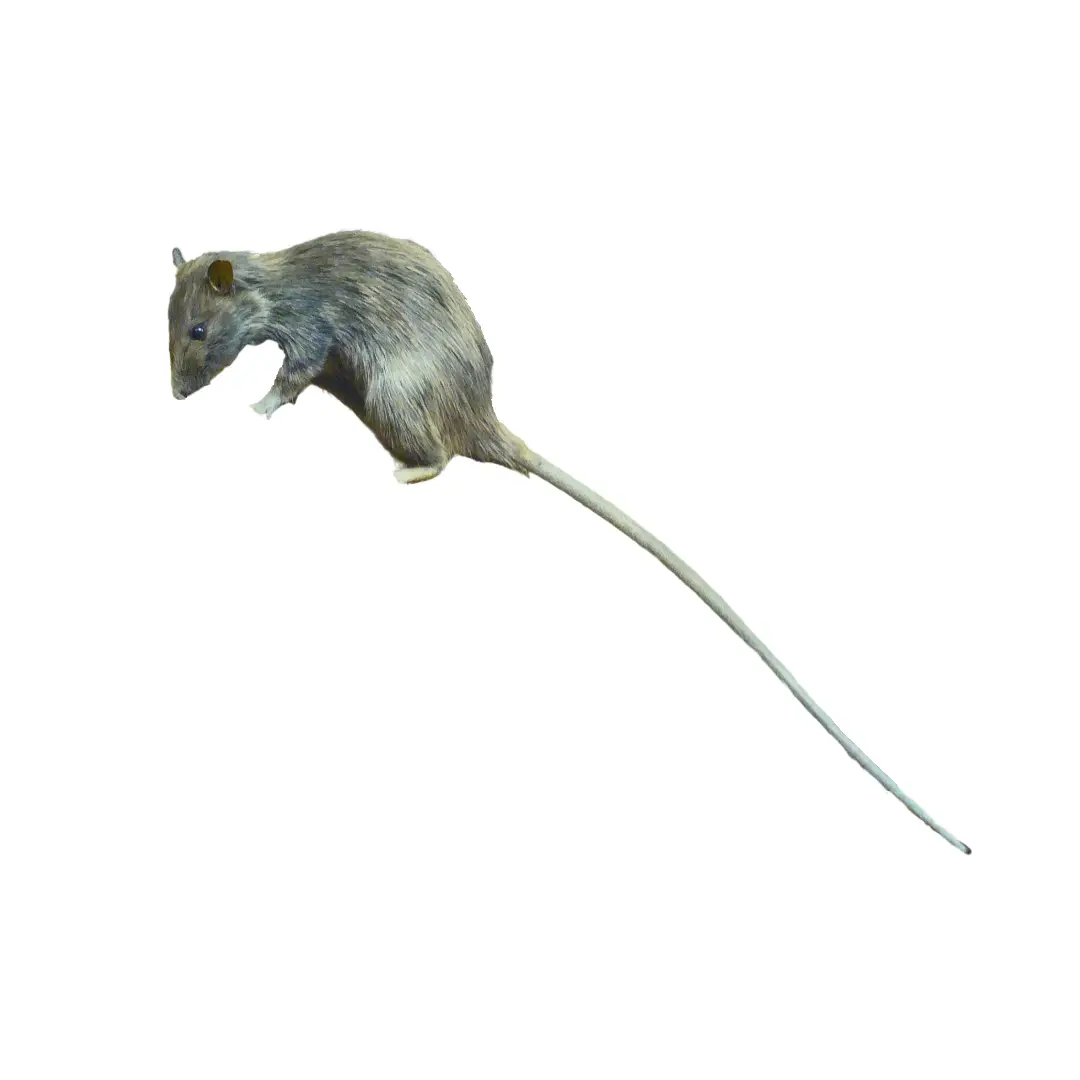
Excellent climbers that prefer higher locations.
Interior
Upper floors, attics, and ceilings.
Exterior
Trees, vines, and attics; often found in elevated areas.
Common Signs Of Infestation
Droppings, gnaw marks, and greasy rub marks from their fur.
Services Needs
General pest control program; may require rodent-specific treatments.
Preparation For Service
Remove food sources, trim tree branches near the house, and seal entry points.
Local Pest Control In Your Area?
Our team of seasoned pest specialists is committed to ensuring a home that is free from pests for your peace of mind.