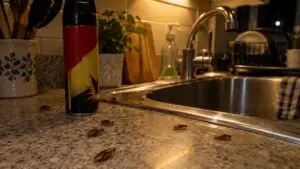
The technician left three days ago. This morning there was a roach on the kitchen floor, and last night you saw two more ants by the back door. It’s fair to wonder what you paid for.
If you’re still seeing bugs after pest control, it doesn’t always mean the treatment failed. Often it means the treatment is working and you’re seeing the proof. Sometimes it does mean something was missed. This guide shows you how to tell the two apart, and when to pick up the phone.
Why you may see more bugs right after a treatment
Most people expect a treatment to work like a light switch. Bugs on Monday, none on Tuesday. That isn’t how most of the products we use are built to work, and there are good reasons for it.
- The treatment reaches them where they hide. We treat cracks, crevices and the places pests get in. Bugs that were tucked away where you never saw them come out into the open once those spots are treated. You see more of them for a short while, and many are slow, clumsy or already dying.
- Most products work over time. A treated surface keeps working after we leave. A pest has to cross it and pick the product up, and that doesn’t all happen on the first day.
- Baits are slow on purpose. Ants and roaches carry bait back to the nest and share it. That’s how it reaches the ones you’ll never see. A product that dropped them on the spot would never make it back.
- Eggs keep hatching. Eggs laid before the visit can still hatch after it. The young ones then run into the treatment too, but you may notice them first.
- New ones keep arriving. In East Texas, pests come in from the yard, the woods and the pasture all year. A hard rain or a cold snap can push a fresh batch toward the house. The treatment is there to meet them, but you may spot a few on their way in.
What a normal first month looks like
The honest answer is that it depends on the pest. There is no one number of days that fits every house, and we’d be guessing if we gave you one. What we can tell you is the direction things should go.
The first few days. Expect to see some activity, and maybe more than before. Dead bugs on the floor, on window sills and in the garage are common. Live ones tend to be out in the daytime, moving slowly, in places you don’t usually see them.
The next couple of weeks. You should be seeing fewer live bugs each week. The ones you do see should look weaker. This is the stretch when most people get nervous, and it’s usually the stretch when the treatment is doing its work.
By the end of the month. Sightings should be rare or gone for the pests your plan covers. One of our customers said it well in a review. She wrote that she just needed to give the treatment some time to work, and that it was the first time they hadn’t seen pests.
So don’t judge the visit by whether you saw a bug this week. Judge it by whether you’re seeing fewer than last week.
Some pests take more than one visit
German cockroaches are the main example. A real German roach problem takes a clean-out, usually three visits over four to six weeks, and it’s a separate service from a regular plan. If that’s what you have, our post on why roach spray doesn’t work on German cockroaches explains what the job involves.
Signs something was missed
Not every sighting is normal. These are the ones we want to hear about.
- The numbers aren’t dropping. If you’re seeing as many bugs in week three as you did in week one, or more, tell us.
- They’re healthy. Fast, lively bugs in the same spot day after day point to a nest or an entry point that still needs attention.
- They’re all in one place. A steady trail of ants from one outlet, or roaches in one cabinet only, tells us where to look. That’s useful, so make a note of it.
- It’s a pest the plan doesn’t cover. Our home plans cover the common household pests, such as ants, the larger roaches that come in from outside, spiders, crickets and silverfish. German roaches, bed bugs, fleas and termites are handled as their own services, and rodent stations come with the higher plans. If one of those shows up, a regular visit won’t fix it, and we need to come look.
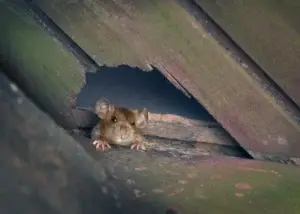
- You see signs of something bigger. Droppings, chewed boxes, winged insects coming out of a wall, or little piles of what looks like sawdust all call for an inspection, not a wait.
Our plans are listed side by side on the packages page, so you can check what yours covers.
What to do before you call back
A few small things help the treatment do its job, and they help us if we do need to come back.
- Don’t spray over it. A can of store-bought spray on top of a professional treatment can work against it. It can scatter ants so they split into new colonies, and it can put roaches off the bait. If you see a trail of ants, leave it alone and tell us where it is.
- Go easy on the baseboards. Sweep and vacuum as normal, but hold off on mopping or wiping down the edges of the room where the product was put down. Ask your technician how long to wait at your house.
- Leave bait where it is. Bait placements and stations only work if they stay put and stay clean.
- Take away the easy meals. Wipe up crumbs, keep pet food in a sealed bin, fix the dripping tap under the sink and take the trash out at night.
- Write it down. Note what you saw, where, what time of day, and whether it was alive. A photo on your phone is even better. Three notes from you can save us an hour of looking.
If you have pets, the same rule applies as on treatment day. Keep them off treated areas until the product has dried. We wrote more on that in our post on eco-friendly and pet friendly pest control.
How re-service works on a recurring plan
You shouldn’t have to wait three months if something isn’t right. On our recurring home pest control plans, we visit every three months, and if covered pests come back between visits we come back out and treat again. That re-service is part of the plan, so there’s no extra charge for it.
When you call, we’ll ask what you’re seeing and where. Then we come back, look at that spot first, and tell you what we found. We’d much sooner hear from you in week three than have you put up with it until the next visit.
If you had a one-time treatment and aren’t on a plan, call us anyway. We’ll tell you plainly whether what you’re seeing is normal or whether it needs another look.
Why the same treatment acts differently from house to house
Two neighbors can get the same service on the same day and have different first months. The house itself has a lot to do with it.
A wooded lot out toward the Davy Crockett National Forest sees different pests than a house in town in Crockett. A pier-and-beam home gives pests more ways in than a slab does. A place in Grapeland, Lovelady or Kennard with a barn, a feed room or a woodpile close to the back door will have more pests pressing on it than a house on a small mowed lot.
That’s why we start every plan with a free inspection. We look at how the house is built and what’s around it before we treat, and we give you the price before any work starts. It’s also why your technician can tell you what to expect at your house, which is better than any general timeline.
Frequently asked questions
Is it normal to see more bugs after pest control?
Yes, for a short while. Treating the places pests hide brings them out into the open. What matters is that you see fewer each week after that.
How long after pest control will I stop seeing bugs?
It depends on the pest and the house, so there’s no single answer. Sightings should drop week by week. If they haven’t dropped after a few weeks, call us.
Why am I finding dead bugs everywhere?
That’s the treatment working. Sweep or vacuum them up. Finding dead bugs for a while after a visit is a good sign.
Should I spray the bugs I see between visits?
We’d ask you not to. Store-bought spray can scatter ants and put roaches off the bait. Make a note of where you saw them and let us know.
Do I have to pay if you come back between visits?
Not if you’re on a recurring plan and it’s a pest the plan covers. Re-service between visits is included.
When should I call instead of waiting?
Call if the numbers aren’t going down, if the bugs look healthy and keep showing up in the same spot, or if you see droppings, winged insects from a wall or anything that looks like sawdust.
Not sure if what you’re seeing is normal? Call Critter Gitters at 936-261-7965. Tell us what you saw and where, and we’ll tell you whether to give it more time or whether we need to come back out.