
By Joseph Baker, Critter Gitters Pest Control
The importance of pest management in commercial spaces, especially restaurants and retail establishments, cannot be overstated. Effective pest control safeguards food safety while ensuring compliance with health regulations. This article explores expert pest management strategies, compliance solutions, and best practices tailored for businesses along Conroe corridors. Many establishments grapple with pest issues that not only affect customer satisfaction but also potential health risks. Therefore, adopting a comprehensive approach to pest management not only addresses these concerns but also enhances operational standards. Throughout the upcoming sections, we delve into critical strategies, regulatory compliance, and the benefits of choosing specialized services, highlighting how effective pest control can create a safe and welcoming environment for customers.
Expert Food Safety Pest Management Strategies
Effective pest management is paramount for food safety in commercial settings. Implementing Integrated Pest Management (IPM) strategies provides a comprehensive framework designed to minimize pest populations while ensuring compliance with health regulations. Regular inspections are essential as they allow for the early detection of potential infestations and mitigate risks before they escalate. Additionally, maintaining documentation ready for inspections supports accountability and transparency, helping businesses adhere to food safety standards. Through strategic pest management, restaurants and retailers can significantly reduce their liability and enhance overall consumer trust.
Failure to maintain strict hygienic standards and documented pest control can lead to severe regulatory consequences and damaged business reputations.
Managing Pest Control Compliance and Health Regulations The findings indicated that there was a breach of food safety as much as repeated hygiene failures which led to regulatory enforcement and eventually the termination of the franchise agreement which included rat droppings and cockroach infestations. Documentary evidence, including inspection reports, pest control records, health authority notices, showed the current non-compliances and revealed the shortcomings of the food safety and halal mana FOOD SAFETY BREACH AND ITS IMPLICATIONS ON HALAL INTEGRITY: A CASE STUDY OF GERBANG ALAF RESTAURANTS SDN BHD V CHAI SU LIN & ANOR, 2025
Compliance Solutions
Complying with health and safety regulations is non-negotiable for restaurants and retail businesses. Understanding local health codes is crucial, as they dictate the standards for pest management practices. Establishing emergency response protocols ensures that businesses can address pest issues swiftly and effectively, minimizing operational disruptions. Furthermore, maintaining thorough documentation processes demonstrates a commitment to compliance and can serve as vital evidence during inspections. These compliance solutions foster a safe environment for patrons and employees alike, reducing overall risks associated with pest management.
Academic research highlights the ongoing challenge of controlling sanitary conditions in commercial environments and the necessity of rigorous compliance checklists.
Restaurant Hygiene & Food Safety Compliance Strategies Controlas as condições higienicosanitárias nos restaurantes é uma tarefa difícil, uma vez que a contaminação pode ocorrer em diferetnes etapas durante o preparo dos alimentos. O objetivo do presente estudo é analisar as condições higienicosanitárias em restaurantes comerciais da cidade de Vitória, Espírito Santo, Brasil. Foi aplicada uma lista de verificação em nove restaurantes comerciais (nomeados de A a I), que foi baseada na Resolução Brasileira RDC 216/2004 da Agência Nacional de Vigilância Sanitária. Hygienic-sanitary conditions in commercial restaurants: are there risks to consumers?, 2006
Best Practices for Maintaining a Pest-Free Environment
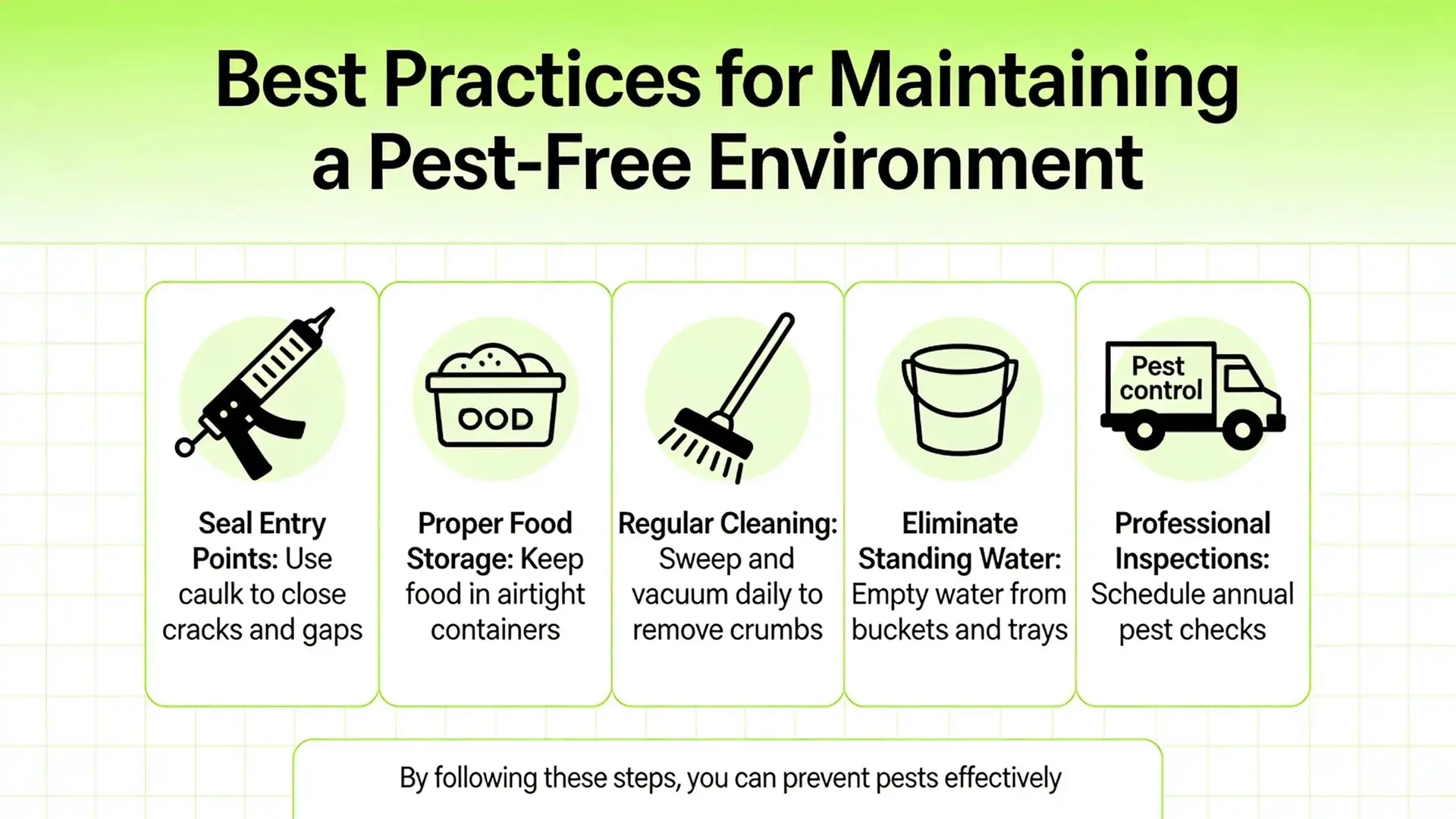
Maintaining a pest-free environment requires consistent effort and attention to detail. Implementing comprehensive sanitation efforts serves as the first line of defense against infestations. This includes regularly cleaning food preparation areas, providing adequate waste disposal, and identifying potential attractants for pests. Moreover, sealing entry points within facilities can significantly reduce the likelihood of pests gaining access. Regular pest control services play a crucial role in sustaining these efforts, providing businesses with the expertise and resources necessary to effectively manage pest populations.
How does commercial pest control ensure food safety compliance in Conroe restaurants?
Commercial pest control ensures food safety compliance by strictly adhering to established health codes and regulations. This involves implementing strategies rooted in Integrated Pest Management (IPM), which emphasizes prevention, monitoring, and control. For instance, providers conduct routine inspections to identify infestations and potential risks immediately. Continuous monitoring alongside thorough documentation of compliance actions creates a transparent relationship with health regulatory bodies. By prioritizing pest prevention strategies and complying with health regulations, restaurants can ensure the integrity of their food safety practices, protecting themselves from violations and enhancing customer trust.
What are the key food service pest compliance regulations in East Texas?
In East Texas, food service pest compliance regulations encompass various local health codes designed to safeguard public health. These include key requirements such as:
Pest Control Oversight: Establishments must work with licensed pest control providers to implement effective management strategies.
Regular Inspections: Facilities are subject to routine health inspections that include evaluations of pest management practices.
Emergency Protocols: Businesses must have clear procedures in place for addressing pest sightings or infestations to limit potential health risks.
Recognizing and adhering to these regulations is crucial for maintaining operational licenses and ensuring public safety.
How do restaurant pest inspections help maintain compliance and safety?
Restaurant pest inspections are vital in maintaining compliance and safety standards. These inspections facilitate proactive management by identifying potential pest threats before they become significant problems. Key benefits include:
Documentation for Compliance: Inspections generate reports that serve as records of compliance and can be presented during health inspections.
Identifying Risks: Regular checks help pinpoint areas vulnerable to infestations, enabling operators to address issues immediately.
Proactive Management: By committing to routine inspections, businesses demonstrate their dedication to maintaining a safe and hygienic environment for customers and staff.
Regular inspections not only support compliance but also help to cultivate a reputation for quality and safety within the community.
Which commercial rodent control methods effectively protect retail businesses along Conroe corridors?
Effectively managing rodent populations requires a multifaceted approach tailored to retail environments. Key methods include:
Exclusion Techniques: Sealing gaps and holes in structures prevents rodents from entering facilities.
Sanitation Practices: Keeping storage and food preparation areas clean and free from food debris reduces attractants for rodents.
Monitoring and Trapping: Employing traps and monitoring systems allows for quick action against any identified rodent activity.
These methods collectively enhance a retail business’s defense against rodent infestations, ensuring a safe shopping environment for customers.
What rodent species commonly impact retail facilities in East Texas?
Retail facilities in East Texas frequently encounter several rodent species, including:
Norway Rat: Known for its burrowing habits and ability to thrive in urban conditions, Norway rats can pose serious threats to food safety.
Roof Rat: Often found in attics and upper structures, these rats are notorious for their capacity to enter buildings through small openings.
House Mouse: Common in both residential and commercial settings, house mice can quickly multiply, leading to significant infestations if not addressed promptly.
Understanding the characteristics and behaviors of these common species is critical for implementing effective rodent control measures.
How does integrated rodent management support long-term retail pest prevention?
Integrated rodent management (IRM) utilizes various strategies for sustainable pest prevention. Key components include:
Comprehensive Assessment: Evaluating the facility’s vulnerabilities and past infestations informs tailored management approaches.
Exclusion Techniques: Implementing physical barriers reduces entry points and access for rodents.
Staff Training: Educating staff on recognizing signs of rodent activity fosters proactive management and rapid response.
Through IRM, businesses not only improve immediate pest control measures but also establish sustainable practices that prevent future infestations.
What retail pest prevention strategies deliver reliable results for Conroe commercial properties?
Effective pest prevention strategies for retail properties include:
Scheduled Service: Implementing regular pest control services ensures constant monitoring and management of pest populations.
Monitoring Systems: Utilizing traps and sensors enables quick detection of potential infestations.
Training Staff: Consistently educating employees about pest prevention fosters a culture of vigilance and accountability.
These proactive strategies significantly minimize the risks associated with pest infestations and enhance compliance across operations.
How can businesses implement preventative pest control measures to reduce infestation risks?
Businesses can effectively implement preventative pest control measures through various strategies, including:
Regular Inspections: Consistent monitoring of facilities allows for prompt identification and correction of issues.
Employee Training: Equipping staff with knowledge enhances their ability to recognize signs of pests and respond appropriately.
Landscaping Management: Maintaining outdoor areas reduces attractants and breeding grounds for pests.
By integrating these practices into daily operations, businesses can create a robust defense against potential pest infestations.
What role does wildlife removal play in enhancing retail pest defense?
Wildlife removal is crucial for enhancing pest defense as certain species may present substantial risks. The presence of animals such as raccoons or squirrels can create significant hazards, including:
Property Damage: Wildlife can cause structural damage or access to food supplies, leading to infestations by secondary pests.
Health Risks: Many wild animals carry diseases that can jeopardize the health of both employees and customers.
Operational Disruption: Unaddressed wildlife presence can lead to increased operational challenges and possible legal ramifications.
Engaging professional wildlife removal services can effectively mitigate these risks, supporting a safer environment for business operations.
Which seasonal pest risks affect commercial properties in East Texas and how can they be mitigated?
Seasonal pest risks in East Texas pose unique challenges for commercial properties. Common pests include:
Termites: High humidity levels often lead to increased termite activity. Regular inspections and preventive treatments can fend off infestations.
Ants: Ant populations surge during warmer months. Implementing bait traps and maintaining cleanliness preemptively tackles this issue.
Stinging Insects: Bees and wasps become active in the summer, necessitating cautious management and possible removal services.
Mitigating these seasonal threats involves tailored preventive strategies often detailed in service plans designed to address specific needs.
What common seasonal pests threaten restaurants and retail locations in Conroe?
Common seasonal pests that threaten establishments in Conroe include:
Cockroaches: These pests proliferate in warm conditions. Effective control measures include hygiene and sanitation practices to reduce attractants.
Flies: Flies often find their way into businesses during the summer months. Implementing screens and maintaining clean environments deters their presence.
Fleas and Ticks: Increased outdoor activity can lead to breeding in landscaping. Routine pest interventions and inspections help manage infestations.
By recognizing these seasonal challenges, businesses can deploy timely interventions to reduce the risks associated with these pests.
How do tailored seasonal treatment plans reduce pest threats and support compliance?
Tailored seasonal treatment plans are designed to address specific vulnerabilities in commercial properties, providing benefits such as:
Regular Evaluation: Continuous assessments adjust strategies according to evolving pest pressures throughout the seasons.
Customization for Needs: Each plan focuses on the unique conditions and risks of the property, ensuring effective management.
Documentation for Compliance: Proper documentation substantiates compliance efforts during regulatory inspections, reinforcing operational integrity.
The effectiveness of customized seasonal plans demonstrates their importance in maintaining a pest-free environment.
Why choose Critter Gitters Pest Management for expert commercial pest services in Conroe?
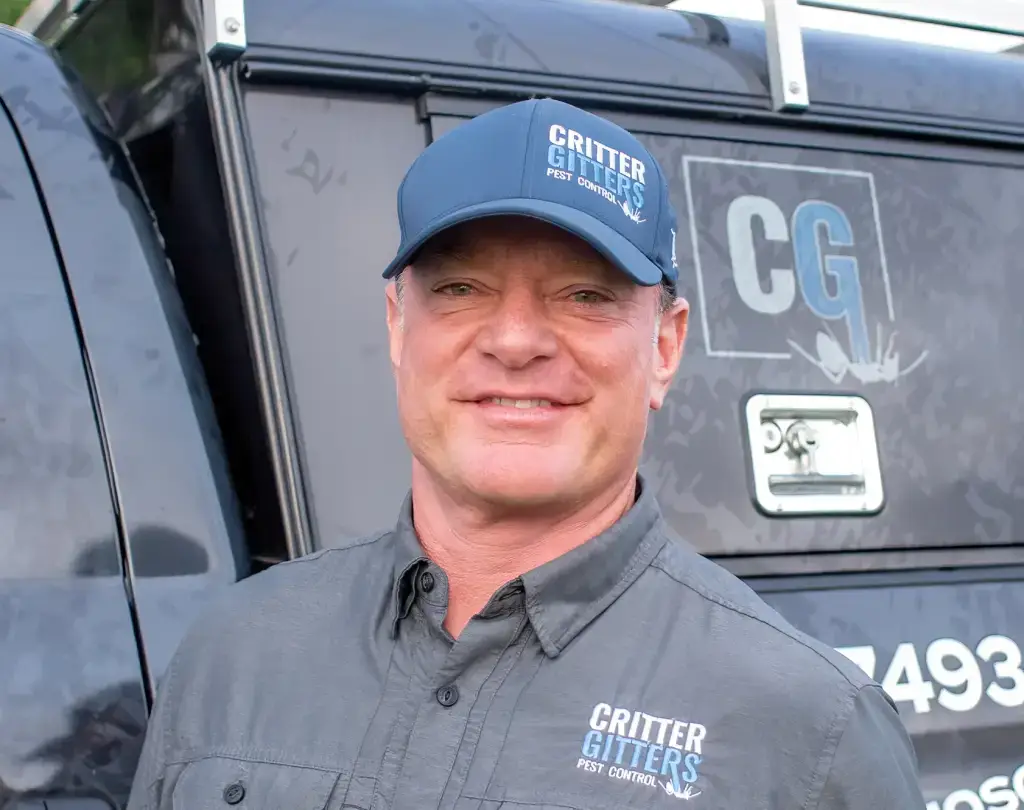
Choosing Critter Gitters Pest Management offers several advantages for businesses seeking reliable pest control. With a strong focus on customer satisfaction, the company’s expertise in managing pest issues aligns with compliance standards vital for operations. Founded by Joey Baker, who has extensive experience managing pest control at Walt Disney World’s commercial food facilities, Critter Gitters combines practical knowledge with tailored solutions that cater specifically to the challenges faced by commercial properties.
What certifications and experience ensure safe, reliable pest control for businesses?
Critter Gitters is fully licensed and certified, committing to professional standards and safety protocols essential in pest management. Team members are trained with comprehensive knowledge to navigate diverse pest control challenges. Joey Baker’s academic background, holding a Bachelor of Science in Agriculture and certification as an Associate Certified Entomologist (ACE), further enhances the expertise available to clients, ensuring reliable and safe pest control solutions.
How do personalized service plans guarantee customer satisfaction and continuous protection?
Personalized service plans exemplify the commitment to customer satisfaction by tailoring pest management solutions to align with specific business needs. These plans offer ongoing support and adaptability to effectively address emerging pest challenges over time. With guaranteed results rooted in established expertise, businesses can navigate pest management with confidence, knowing they have a reliable partner in maintaining their operational integrity and food safety compliance.