
Critter Gitters Pest Control in Crockett, Texas, delivers commercial grain, feed mill, and agricultural pest management services across East Texas. Technicians target stored-product pests, rodents, and insects that threaten grain integrity, using site-specific inspections and treatment protocols designed for feed mills, silos, and farm operations throughout the region.
Grain, feed mill, and agricultural facilities across East Texas face constant pressure from red flour beetles, sawtoothed grain beetles, and grain weevils that infiltrate storage through small cracks. Critter Gitters Pest Control, a family-owned business, delivers science-based inspections and treatments protecting stored grain, feed, and ethanol operations from contamination, spoilage, and costly product recalls throughout your facility.
Key Takeaways
- Red flour beetles and sawtoothed grain beetles infest storage facilities through small cracks and gaps in silos.
- Beetles multiply rapidly once inside grain and feed storage areas, threatening stored cereals and flour products.
- Mites, classified as arachnids with 8 legs, represent a distinct pest category affecting agricultural operations.
- East Texas grain and feed mills require targeted pest management strategies to protect stored agricultural commodities.
Why Do Grain Pests Threaten East Texas Farms?
Warm, humid conditions across East Texas grain storage and feed operations create ideal breeding grounds for insects that damage stored crops year-round. Red flour beetles and sawtoothed grain beetles rank among the most persistent invaders, targeting dry stored grain, cereal, and feed products inside silos and storage buildings. Once these pests find a way in, they multiply fast and spread contamination through entire batches, putting your harvest and your bottom line at risk.
Protecting a working farm takes more than a spray-and-go approach. Effective feed mill pest management in East Texas starts with careful inspection. Diagnosis, not quick fixes aimed at symptoms alone. Understanding where pests enter, how they’re breeding, and what’s attracting them matters more than blasting chemicals and hoping for the best.
What Makes Grain Pest Control Different From Standard Home Pest Control?
Farm and storage environments demand entomologist-level expertise, not a generic residential approach. Guidance from an Associate Certified Entomologist blends scientific training with real field experience, addressing the unique pressures East Texas agricultural operations face.
Which Pests Should Farmers Watch For?
Beyond beetles, grain weevil control Buffalo TX producers need extends to rodents raiding feed storage and damaging structures. Effective **agricultural rodent control Palestine TX** farms depend on works hand-in-hand with insect management. Rodents attract secondary pests and spread contamination further.
- Red flour beetles and sawtoothed grain beetles in stored grain and feed
- Grain-boring insects that compromise kernel quality
- Rodents nesting near feed storage and damaging packaging
As a family-owned team, pest professionals have served East Texas farms with science-based solutions built on inspection first, treatment second.
What Pests Invade Feed Mills And Grain Storage?
Stored-product beetles top the list of threats facing East Texas grain elevators and feed mills. Dry commodities like corn, wheat, and processed feed draw these pests in fast, and they exploit even the smallest crack in a silo wall or storage bin to gain entry. Once inside, populations grow quickly and quietly, hidden in the corners of bins you can’t easily inspect.
That speed is exactly what makes these pests dangerous to your bottom line. A small breach left unaddressed lets beetles and other stored-product pests contaminate large volumes of grain in a short window. The result can mean spoiled inventory, recalls, and lost profits for feed mills, grain co-ops, and farm operations across Houston County and the surrounding region.
What pests commonly infest East Texas grain and feed facilities?
Beetle species that feed on dry cereals, grains, and flour rank among the most persistent invaders in regional storage facilities. Weevils and rodents present additional risk, chewing through packaging, contaminating feed, and damaging structural components of bins and mills. Comprehensive feed mill pest management East Texas operators trust addresses all three categories together, not one pest at a time.
Why do generic treatments fail at grain facilities?
Basic spray-and-go service rarely solves an infestation rooted in structural gaps and storage conditions. Effective **agricultural rodent control Palestine TX** facilities need requires certified pest management professionals who inspect entry points, not just technicians who treat symptoms. The same holds true for grain weevil control Buffalo TX operations. Eggs laid inside kernels demand precise, science-based intervention.
Facilities benefit most from a combined approach:
- Inspection of silo seams, bin walls, and loading areas for cracks
- Monitoring for early signs of beetle or weevil activity
- Exclusion work to seal entry points before pests multiply
- Eco-conscious treatments built for lasting results, not repeat visits
That combination of scientific precision and advanced training protects your grain inventory season after season.
How Does Agricultural Rodent Control Protect Palestine Farms?
Rodents cost Palestine-area farms through gnawed wiring, contaminated feed, and structural damage that spreads faster than most owners realize. **Agricultural rodent control** stops that spread before it hits your bottom line. Left unchecked, mice and rats chew through grain sacks, foul stored feed with droppings, and nest inside equipment housings where you won’t spot them until damage is done.
Your farm needs more than store-bought traps to solve this problem. A licensed technician based in East Texas handles every agricultural pest service, which means the person inspecting your barns and storage bins understands regional rodent pressure firsthand. Not a generalist working off a script. Because the team operates from Crockett, Texas, response times stay quick for farms and mills scattered across the surrounding counties. A rodent problem at your property doesn’t sit on a waiting list.
Rodent programs on working farms also demand the same customization commercial sites require. Warehouses, storage facilities, and grain buildings each present different entry points and food sources. A one-size treatment plan misses most of them.
What Does a Rodent Inspection Cover on a Farm Property?
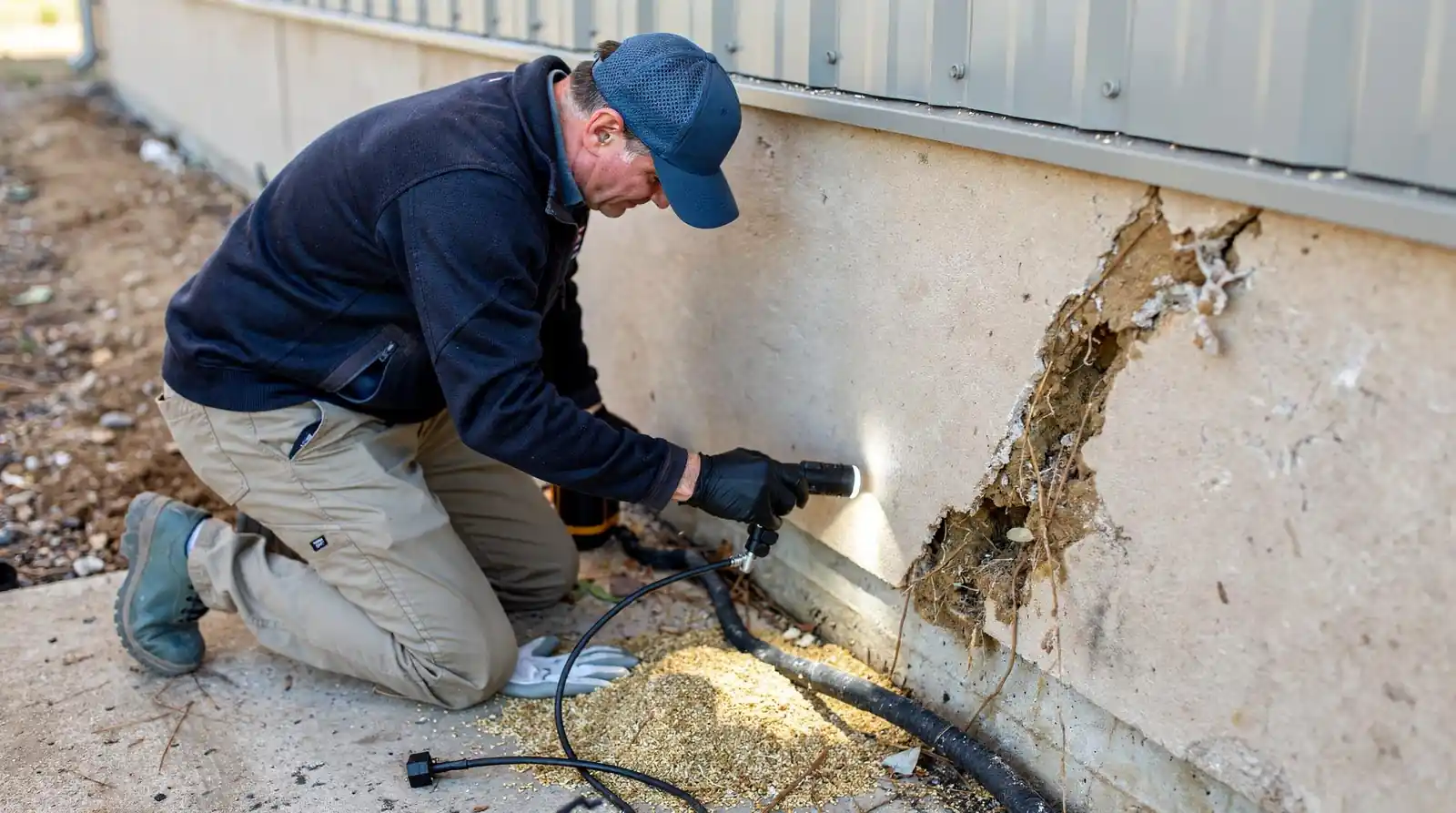
A thorough inspection maps out feed storage areas, equipment sheds, and building perimeters for entry points and active nesting. Technicians look for gnaw marks, droppings, and grease trails along walls and foundations. That mapping shapes a treatment plan built around your specific layout, not a generic checklist.
Can Rodent Control Work Alongside Other Farm Pest Programs?
Yes — rodent management pairs naturally with broader agricultural pest work like stored-grain protection and structural pest control. Coordinating these services under one provider reduces gaps between programs. Your farm gets consistent monitoring instead of overlapping, disconnected treatments.
Key protections a farm-focused rodent program delivers:
- Reduced feed and grain contamination risk
- Fewer equipment and wiring repairs from gnawing damage
- Faster response from a locally based, licensed technician
- Treatment plans customized to your storage and building layout
Why Choose Expert Grain Weevil Control In Buffalo?
Grain and rice weevils rank among the most destructive pests threatening stored grain across Buffalo, Palestine, and the surrounding farm country. Left unchecked, these insects burrow into kernels, spoil feed, and turn a profitable harvest into a costly loss. Expert grain weevil control buffalo tx starts with real diagnosis, not guesswork.
Effective treatment means understanding why weevils appear in the first place. True pest control starts with identifying the underlying problem instead of spraying and hoping it sticks. That approach matters even more in a grain storage setting. A missed entry point today becomes an infestation next month.
Why do weevils keep coming back after treatment?
Weevils seek out warm, dark storage areas stocked with easy access to grain. Once inside, they chew through packaging and lay eggs directly inside kernels, hiding the problem from plain sight. Surface-level treatments miss these eggs, so the cycle repeats unless the storage environment itself gets addressed.
What separates a lasting fix from a quick spray?
Scientific precision and advanced training make the difference between a one-time treatment and a program built to hold. Combining that expertise with eco-conscious methods delivers results that last, rather than treatments you need to repeat every season.
Buffalo-area grain operations benefit from a structured approach:
- Inspection first — locate entry points, moisture sources, and existing kernel damage before any treatment begins
- Targeted treatment — address active infestations without disrupting daily feed mill pest management east texas operations
- Follow-up monitoring — catch new activity early, before it spreads through stored inventory
Whether you’re managing bulk grain storage or need broader agricultural rodent control palestine tx coverage alongside weevil treatment, a program built on understanding — not shortcuts — protects your investment season after season.
What Should East Texas Ag Operations Do Next?
Start with a plan that matches the scale of your risk. Grain elevators, feed mills, and family farms across Crockett, Palestine, and Grapeland each face different exposure points. Your pest strategy should reflect your specific storage setup, throughput, and regulatory obligations.
Any solid program for feed mill pest management east texas operators rely on needs to prioritize compliance right alongside prevention. Regulatory standards and client safety requirements aren’t optional extras — they’re the framework your entire pest strategy should sit inside. Pairing that compliance focus with integrated pest management techniques keeps outcomes both sustainable and cost-effective over time.
How Do You Choose a Provider for the Long Haul?
Look for continuity, not just a one-time treatment. A family-owned provider serving East Texas brings the kind of institutional knowledge that shorter-tenured companies can’t match. That history matters when you’re building a multi-year program for agricultural rodent control palestine tx facilities depend on to protect stored grain and equipment.
What Expertise Should Back Your Weevil Prevention Plan?
Ask who’s actually leading the technical side. Entomologist-led teams bring a science-first approach that goes beyond spraying and hoping. For grain weevil control buffalo tx growers need, that combination of formal science training and field experience delivers the trusted, results-driven service your operation depends on season after season.
FAQ
What pests threaten stored grain in East Texas facilities?
Red flour beetles and sawtoothed grain beetles infiltrate storage through small cracks. Gaps in silos, multiplying rapidly once inside grain and feed storage areas and threatening stored cereals and flour products.
How does grain pest control differ from residential pest control?
Farm and storage environments demand entomologist-level expertise rather than a generic residential approach, with inspection and diagnosis guiding treatment instead of quick fixes aimed only at symptoms.
Why are rodents a concern in feed mills?
Rodents raid feed storage and damage structures. Effective agricultural rodent control works alongside insect management since rodents attract secondary pests and spread contamination further.
Conclusion
In closing, protecting your agricultural operation from costly pest damage requires a proactive, professional approach tailored to East Texas conditions. Critter Gitters Pest Control brings certified expertise and proven solutions designed specifically for grain facilities, feed mills, and farming operations across the region. Our commitment to safe, effective pest management ensures your business stays productive and protected year-round. Contact us today to schedule a comprehensive inspection and discover how we safeguard agricultural properties throughout East Texas.