
As the temperatures drop in Huntsville, homeowners face increased risks of rodent infestations in their attics. Rodents tend to seek warmth and shelter during the colder months, which can lead to significant issues if left unaddressed. In this article, we will provide an extensive checklist to help local homeowners prevent rats from entering their attics in fall and winter. This guide covers essential inspection steps, sealing strategies, and long-term prevention methods that are vital for maintaining a rodent-free home. By understanding the behaviors of these pests and implementing effective prevention tactics, you can safeguard your home and family from the associated health risks and structural damages of rodent infestations.
Checklist for Huntsville Homeowners to Prevent Rats from Entering Attics in Fall and Winter
Preventing rodents is an essential task for any homeowner, especially as winter approaches. The following detailed checklist outlines critical steps homeowners should follow to keep their attics free from unwanted visitors. Implementing these preventative measures will enhance the integrity of your attic and minimize the risk of infestations.
Understanding the value of proactive structural maintenance is a critical component of successful pest exclusion.
Effective Rodent-Proofing Strategies for Homeowners The most effective means of limiting rodent damage is rodent-proof construction. New buildings should be designed and built to prevent rodent entry. Rodent-proofing is a good investment. Designing and constructing a rodent-proof building is less expensive than adding rodent-proofing later. Nevertheless, poor maintenance or management practices, such as leaving entry doors and unscreened windows open, will make the bestconstructed building susceptible to rodent entry. Rodent-proof construction and exclusion methods, RM Timm, 1994
Effective Rodent-Proofing Strategies for Homeowners The most effective means of limiting rodent damage is rodent-proof construction. New buildings should be designed and built to prevent rodent entry. Rodent-proofing is a good investment. Designing and constructing a rodent-proof building is less expensive than adding rodent-proofing later. Nevertheless, poor maintenance or management practices, such as leaving entry doors and unscreened windows open, will make the bestconstructed building susceptible to rodent entry. Rodent-proof construction and exclusion methods, RM Timm, 1994
Inspect for Entry Points:
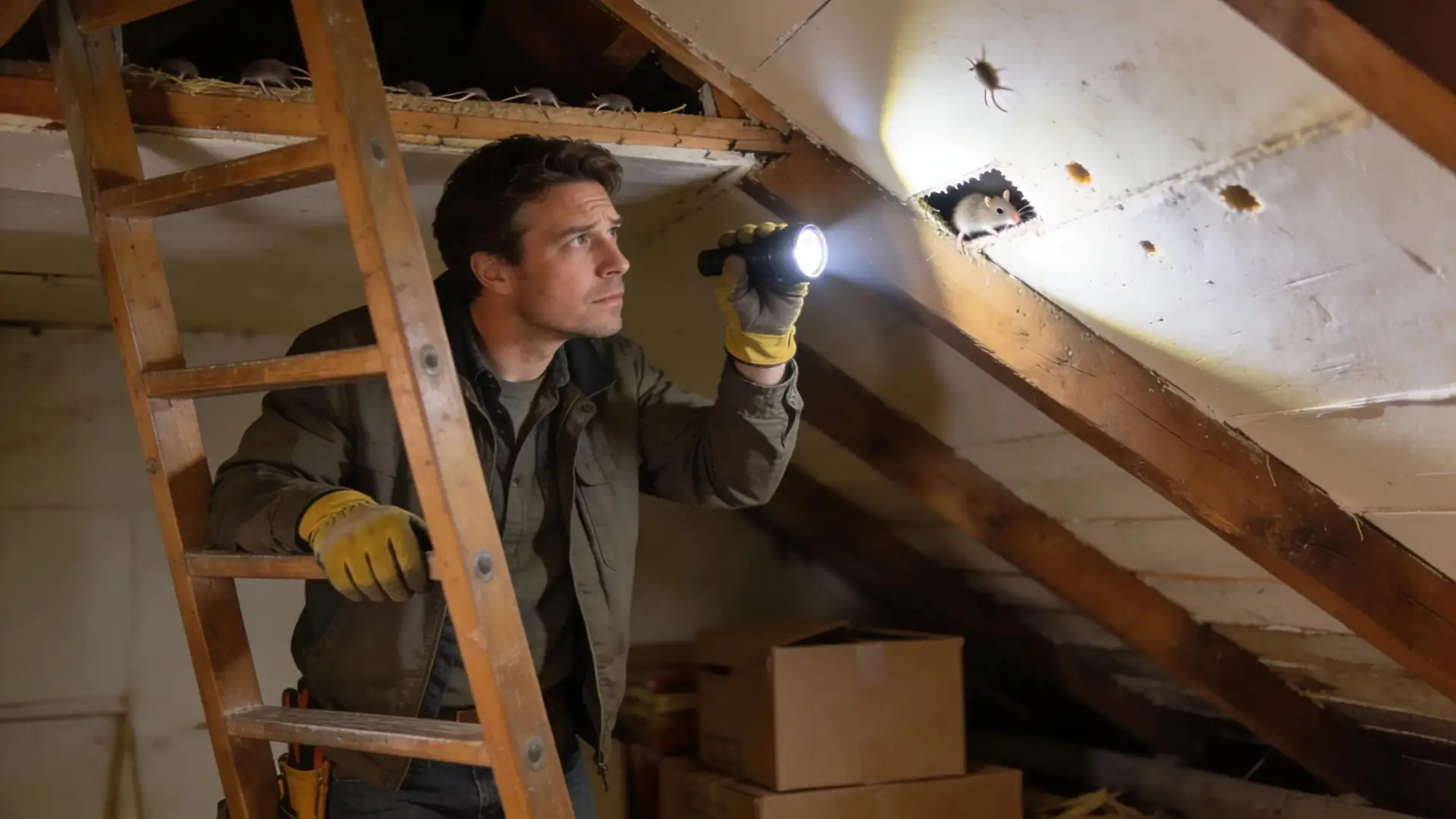
Begin by thoroughly inspecting your attic for potential entry points that rodents may exploit. Key areas to focus on include:
Gaps larger than a quarter-inch: Measure visible cracks and holes around windows, doors, and walls.
Vents and utility lines: Ensure they are secured and have no openings that could allow rodents in.
Signs of existing rodent activity: Look for droppings, gnaw marks, or nesting materials that indicate a presence.
Gaps larger than a quarter-inch: Measure visible cracks and holes around windows, doors, and walls.
Vents and utility lines: Ensure they are secured and have no openings that could allow rodents in.
Signs of existing rodent activity: Look for droppings, gnaw marks, or nesting materials that indicate a presence.
Seal Gaps:
Once you have identified any entry points, sealing them effectively is crucial for prevention. Recommended strategies include:
Using steel wool or copper mesh for larger gaps, as rodents struggle to chew through these materials.
Applying caulk for smaller gaps to create a barrier that is difficult to penetrate.
Considering professional services for larger exclusions, ensuring complete elimination of potential access points.
Using steel wool or copper mesh for larger gaps, as rodents struggle to chew through these materials.
Applying caulk for smaller gaps to create a barrier that is difficult to penetrate.
Considering professional services for larger exclusions, ensuring complete elimination of potential access points.
Install Weatherproofing:
Weatherproofing your attic can also deter rodent access by sealing off areas that may allow entry. Remember to:
Ensure proper weatherstripping on doors to prevent gaps.
Check the condition of vents and chimney caps, replacing any that may be damaged.
Eliminate any remaining gaps in areas that could provide access for rodents to enter.
Ensure proper weatherstripping on doors to prevent gaps.
Check the condition of vents and chimney caps, replacing any that may be damaged.
Eliminate any remaining gaps in areas that could provide access for rodents to enter.
Maintain Landscaping:
Your backyard landscaping can influence the likelihood of a rodent infestation. Here are some tips to maintain it properly:
Keep plants trimmed back from the house to limit hidden havens for rodents.
Store firewood away from the foundation to reduce clutter and resting spots for pests.
Clear debris around the property regularly, as they can serve as nesting sites.
Keep plants trimmed back from the house to limit hidden havens for rodents.
Store firewood away from the foundation to reduce clutter and resting spots for pests.
Clear debris around the property regularly, as they can serve as nesting sites.
Sanitation Practices:
Good sanitation can significantly reduce the attractiveness of your home to rodents. Consider implementing these practices:
Store all food and pet food securely in airtight containers to prevent access.
Regularly dispose of trash properly, but ensure that garbage cans are sealed tightly.
Minimize clutter in areas prone to infestation, as clean spaces deter rodents.
Store all food and pet food securely in airtight containers to prevent access.
Regularly dispose of trash properly, but ensure that garbage cans are sealed tightly.
Minimize clutter in areas prone to infestation, as clean spaces deter rodents.
Regular Inspections:
Routine inspections of your attic and surrounding areas are key to identifying potential problems early. Consider:
Checking for signs of activity regularly, especially during seasonal changes.
Conducting inspections post-storm or severe weather, as these can create new entry opportunities.
Looking for droppings and gnaw marks, which are common indicators of rodent presence.
Checking for signs of activity regularly, especially during seasonal changes.
Conducting inspections post-storm or severe weather, as these can create new entry opportunities.
Looking for droppings and gnaw marks, which are common indicators of rodent presence.
Professional Help:
If you encounter significant signs of a rodent infestation, it may be time to seek professional assistance. Important signs that warrant a call include:
[Contact](https://cgpest.com/contact/)ing professionals during signs of heavy infestation, which can result in extensive damage if untreated.
Scheduling maintenance checks every season to ensure your home remains rodent-free.
Utilizing local services for effective solutions tailored to Huntsville’s unique environment.
[Contact](https://cgpest.com/contact/)ing professionals during signs of heavy infestation, which can result in extensive damage if untreated.
Scheduling maintenance checks every season to ensure your home remains rodent-free.
Utilizing local services for effective solutions tailored to Huntsville’s unique environment.
Long-Term Prevention:
Maintaining a long-term strategy will help keep your home safe from rodents year after year. These strategies include:
Regularly checking and maintaining seals to ensure they remain intact.
Implementing a seasonal inspection schedule that aligns with changes in the weather.
Keeping up with best practices for home maintenance to prevent any future infestations.
Regularly checking and maintaining seals to ensure they remain intact.
Implementing a seasonal inspection schedule that aligns with changes in the weather.
Keeping up with best practices for home maintenance to prevent any future infestations.
Why Is Attic Rodent Prevention Critical in Huntsville During Fall and Winter?
Preventing rodent infestations in attics is particularly crucial for Huntsville homeowners during the fall and winter months. As temperatures drop, rodents are more likely to seek shelter indoors, significantly increasing their activity and potential risks. This issue is compounded by the abundance of food sources available due to holiday festivities and other seasonal gatherings. Moreover, rodent infestations carry significant health risks, including the transmission of diseases. Ensuring a pest-free attic protects not only the home but also the family and pets inside it.
Awareness of these health risks is a vital driver for homeowners to prioritize professional-grade rodent exclusion.
Understanding and Managing Residential Rodent Infestations Rodents have been a common problem in living and working environments, probably, ever since humans began living in permanent dwellings. Even today many people believe rodent infestations are “inevitable”. However, the recent appearance of Hantavirus (Sin Nombre Virus, Hantavirus Pulmonary Syndrome, HPS) in the Western states has re-awakened the public to the serious health problems posed by rodents and has prompted new inquiries into more effective ways to manage infestations. Rodent Exclusion Techniques, 1997
Understanding and Managing Residential Rodent Infestations Rodents have been a common problem in living and working environments, probably, ever since humans began living in permanent dwellings. Even today many people believe rodent infestations are “inevitable”. However, the recent appearance of Hantavirus (Sin Nombre Virus, Hantavirus Pulmonary Syndrome, HPS) in the Western states has re-awakened the public to the serious health problems posed by rodents and has prompted new inquiries into more effective ways to manage infestations. Rodent Exclusion Techniques, 1997
How Does East Texas Climate Affect Rodent Behavior in Winter?
The climate in East Texas significantly influences rodent behavior during winter. Cooler temperatures lead rodents to search for warmer areas to inhabit, and attics provide the perfect shelter from the cold. Additionally, differences in seasonal weather patterns can impact food availability, forcing rodents to seek refuge in homes where resources are still accessible. The presence of moisture and humidity can also enhance rodent survival, emphasizing the need for vigilance in maintaining a pest-free home during winter months.
What Are the Risks of Rodent Infestation to Your Home and Family?
Rodent infestations pose multiple risks to both property and health. The primary concerns include:
Disease transmission: Rodents can carry diseases that affect humans and pets, leading to serious health issues.
Structural damage: Rodents are known to gnaw on wiring, insulation, and structural components, leading to costly repairs.
Contamination: Their droppings and urine can contaminate surfaces and food supplies, posing health hazards.
Disease transmission: Rodents can carry diseases that affect humans and pets, leading to serious health issues.
Structural damage: Rodents are known to gnaw on wiring, insulation, and structural components, leading to costly repairs.
Contamination: Their droppings and urine can contaminate surfaces and food supplies, posing health hazards.
How to Identify Rodent Infestation Signs Early in Your Attic?
Being proactive about identifying signs of rodent infestations can save homeowners from future headaches. Common indicators to look for include:
Droppings: These are often found near food sources or nesting areas and look like small dark pellets.
Gnaw marks: Fresh chew marks on wood or wiring indicate active rodent presence.
Nests: Rodents often build nests from shredded materials; finding these can reveal their presence early.
Droppings: These are often found near food sources or nesting areas and look like small dark pellets.
Gnaw marks: Fresh chew marks on wood or wiring indicate active rodent presence.
Nests: Rodents often build nests from shredded materials; finding these can reveal their presence early.
What Are the Common Rodent Species in Huntsville Attics?
Understanding which rodent species may invade your attic can help tailor prevention strategies. Common species include:
Norway rats: Known for their significant size and ability to cause extensive damage.
Roof rats: More agile than their counterparts, they often nest high up in attics.
House mice: These small rodents can reproduce quickly, leading to significant infestations if not managed.
Norway rats: Known for their significant size and ability to cause extensive damage.
Roof rats: More agile than their counterparts, they often nest high up in attics.
House mice: These small rodents can reproduce quickly, leading to significant infestations if not managed.
Which Signs Indicate Active Rodent Presence in Your Attic?
Identifying active rodent presence requires keen observation of specific signs, including:
Frequent sightings or sounds: Hearing scurrying noises at night may indicate live activity.
Chewing: Freshly chewed surfaces can suggest that rodents are currently accessing your attic.
Nest debris: The presence of nesting materials such as shredded paper or fabric signifies an established area.
Frequent sightings or sounds: Hearing scurrying noises at night may indicate live activity.
Chewing: Freshly chewed surfaces can suggest that rodents are currently accessing your attic.
Nest debris: The presence of nesting materials such as shredded paper or fabric signifies an established area.
What Are the Most Effective Attic Rodent Proofing Techniques and Materials?
Effective rodent-proofing techniques involve using high-quality materials and reliable methods. The following table summarizes popular techniques along with their respective effectiveness:
Technique
Material
Effectiveness
Sealing Entry Points
Steel wool, caulk
High
Weatherstripping
Rubber, foam
Moderate
Insulating with Rodent-Proofing
Specialized products
High
Implementing these techniques ensures a robust barrier against potential rodent intrusions.
How to Seal Attic Entry Points Against Rats and Mice?
To effectively seal attic entry points:
Identify the entry points clearly using a flashlight to spot small gaps.
Utilize appropriate materials: Apply steel wool in larger gaps and seal with caulk for cleanliness.
Regularly maintain these seals, especially before seasonal changes.
Identify the entry points clearly using a flashlight to spot small gaps.
Utilize appropriate materials: Apply steel wool in larger gaps and seal with caulk for cleanliness.
Regularly maintain these seals, especially before seasonal changes.
Can Attic Insulation Be Made Rodent Proof?
Yes, attic insulation can be made rodent-proof by using specific materials designed for this purpose. Some methods include:
Making use of specially designed insulation that is dense and less appealing to pests.
Utilizing barriers that prevent rodents from accessing the insulation itself.
Monitoring and replacing insulation periodically to maintain an effective barrier.
Making use of specially designed insulation that is dense and less appealing to pests.
Utilizing barriers that prevent rodents from accessing the insulation itself.
Monitoring and replacing insulation periodically to maintain an effective barrier.
When Should You Schedule Professional Rodent Exclusion Services in Huntsville?
Timing your engagement with professional services can enhance your rodent prevention efforts. Ideal situations for scheduling include:
At the onset of fall, before temperatures drop significantly.
Following heavy precipitation or storms that could compromise existing barriers.
During visible signs of rodent activity, ensuring timely action to mitigate damage.
At the onset of fall, before temperatures drop significantly.
Following heavy precipitation or storms that could compromise existing barriers.
During visible signs of rodent activity, ensuring timely action to mitigate damage.
What Expert Rodent Control Services Does Critter Gitters Provide?
Critter Gitters Pest Management offers a comprehensive suite of rodent control services tailored to Huntsville homeowners. Their services include:
Detailed inspection processes to assess current issues and potential vulnerabilities.
Diverse trapping and exclusion methods designed to fit any home’s specific needs.
Satisfaction guarantees, ensuring that every customer receives effective services.
Detailed inspection processes to assess current issues and potential vulnerabilities.
Diverse trapping and exclusion methods designed to fit any home’s specific needs.
Satisfaction guarantees, ensuring that every customer receives effective services.
How Do Professional Wildlife Removal Services Ensure Safe Attic Protection?
Professional wildlife removal services employ a range of specialized techniques to ensure safe attic protection. Some of these methods include:
Thorough inspections and exclusion processes aimed at identifying and sealing entry points.
Safe trapping techniques that prioritize humane catches and evictions.
Post-service preventative measures that educate homeowners on maintaining rodent-free conditions.
Thorough inspections and exclusion processes aimed at identifying and sealing entry points.
Safe trapping techniques that prioritize humane catches and evictions.
Post-service preventative measures that educate homeowners on maintaining rodent-free conditions.
How Can Lawn Care Practices Support Attic Rodent Prevention During Winter?
Your yard’s upkeep plays a vital role in rodent prevention. Effective practices include:
Maintaining a well-trimmed lawn to reduce hiding spaces near the home.
Strategically placing storage units and firewood away from the foundation.
Seasonally evaluating landscape condition, ensuring cleanliness and minimizing debris.
Maintaining a well-trimmed lawn to reduce hiding spaces near the home.
Strategically placing storage units and firewood away from the foundation.
Seasonally evaluating landscape condition, ensuring cleanliness and minimizing debris.
Which Lawn Maintenance Tips Reduce Rodent Attraction Near Your Home?
Regular lawn maintenance can prevent rodent attraction through practical measures such as:
Implementing regular mowing schedules to keep vegetation short and less appealing.
Proper waste disposal, ensuring that trash bins are secured and emptied frequently.
Maintaining an organized yard, as clutter can attract rodents seeking shelter.
Implementing regular mowing schedules to keep vegetation short and less appealing.
Proper waste disposal, ensuring that trash bins are secured and emptied frequently.
Maintaining an organized yard, as clutter can attract rodents seeking shelter.
How Does Integrated Pest Management Complement Rodent Control Efforts?
Integrated Pest Management (IPM) enhances rodent control by promoting sustainable practices and minimizing chemicals. Essential principles of IPM include:
Monitoring: Regularly inspect your property for signs of pests.
Control: Implementing a mix of biological, cultural, and mechanical measures to deter rodents.
Education: Informing homeowners about best practices for maintaining pest-free environments.
Monitoring: Regularly inspect your property for signs of pests.
Control: Implementing a mix of biological, cultural, and mechanical measures to deter rodents.
Education: Informing homeowners about best practices for maintaining pest-free environments.
What Are the Best Practices for Ongoing Attic Monitoring and Winter Rodent Control?
Establishing regular monitoring is vital for long-term success in rodent control within your attic. Key practices include:
Setting a schedule for inspections, especially during seasonal transitions.
Documenting signs of activity and addressing issues promptly to avoid escalation.
Engaging expert services as needed, particularly when initial signs of problems appear.
Setting a schedule for inspections, especially during seasonal transitions.
Documenting signs of activity and addressing issues promptly to avoid escalation.
Engaging expert services as needed, particularly when initial signs of problems appear.
How Often Should Homeowners Inspect for Rodents During Fall and Winter?
Homeowners should aim to inspect for rodents at least once a month during fall and winter. Established schedules can help by:
Enhancing awareness of seasonal changes that might invite rodents indoors.
Identifying issues early on, preventing costs associated with extensive infestations.
Ensuring that equipment, insulation, and barriers are intact, leading to more effective prevention.
Enhancing awareness of seasonal changes that might invite rodents indoors.
Identifying issues early on, preventing costs associated with extensive infestations.
Ensuring that equipment, insulation, and barriers are intact, leading to more effective prevention.
What Seasonal Maintenance Steps Maintain a Rodent-Free Attic?
Consistent seasonal maintenance can go a long way in maintaining a rodent-free attic environment. Essential tasks include:
Routine cleaning and check-ups to assess conditions.
Monitoring entry points regularly to ensure seals remain intact.
Preparing the home for seasonal changes, ensuring robust defenses against future infestations.
Routine cleaning and check-ups to assess conditions.
Monitoring entry points regularly to ensure seals remain intact.
Preparing the home for seasonal changes, ensuring robust defenses against future infestations.