By Joseph Baker, Critter Gitters Pest Control
Rural ranchers in Crockett, TX, face a unique challenge: protecting their valuable livestock and feed from rodent infestations that can devastate operations. Effective rodent proofing involves understanding the specific types of rodents that pose threats, recognizing their behavioral patterns, and implementing proactive prevention methods. This guide offers insight into proven strategies for rodent exclusion and barn feed protection, ensuring that ranchers can maintain healthy environments for their livestock. By focusing on educated approaches, this article will delve into essential rodent control methods, common pest species in the area, and how “Critter Gitters Pest Control” can assist with effective rodent control services.
Prevention Methods
Preventing rodent infestations on rural ranches involves a combination of strategic actions aimed at mitigating risks. Identifying potential entry points into structures, maintaining proper sanitation practices, and utilizing effective trapping techniques are crucial components of an integrated pest management approach.
Expert research underscores the importance of structural integrity and proactive management in long-term pest prevention.
Effective Rodent Exclusion Strategies for Rural Facilities
The most effective means of limiting rodent damage is rodent-proof construction. New buildings should be designed and built to prevent rodent entry. Rodent-proofing is a good investment. Designing and constructing a rodent-proof building is less expensive than adding rodent-proofing later. Nevertheless, poor maintenance or management practices, such as leaving entry doors and unscreened windows open, will make the bestconstructed building susceptible to rodent entry.
Rodent-proof construction and exclusion methods, RM Timm, 1994
Identify Entry Points: Regularly inspect barns and feed storage areas for possible entryways such as gaps, holes, or cracks; this ensures rodents cannot easily access feed and shelter.
Sanitation Practices: Keeping barns clean and free of food debris deters rodents who are typically attracted to accessible food sources. In addition, regularly removing clutter can help eliminate potential hiding spots for these pests.
Effective Trapping Techniques: Implement mechanical traps, designed for rapid response to existing rodent populations, which can significantly reduce the numbers before the infestation escalates.
These strategies create a robust defense against rodent issues, offering ranchers peace of mind and safeguarding their assets.
Which rodent species are common threats to ranches in Crockett TX?
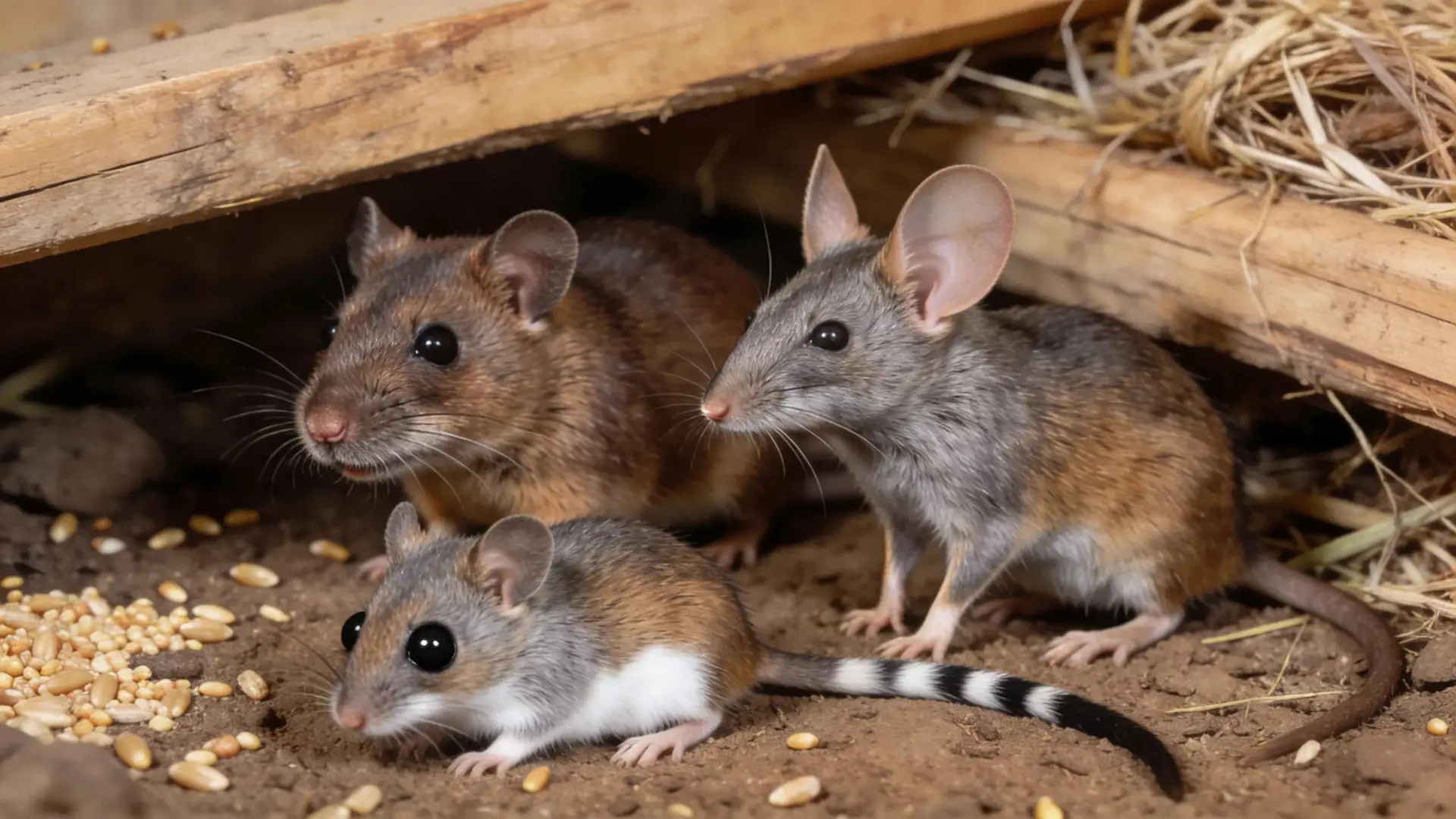
Ranchers need to be aware of the rodent species that typically threaten their operations. The most common pests in the Crockett area include:
Norway Rats: Known for their burrowing habits and aggressive tendencies, Norway rats can damage buildings and contaminate food supplies.
Roof Rats: These rats prefer elevated surfaces and can often be found in barns and rafters, posing risks to feed and livestock health through contamination.
Deer Mice: Smaller but equally problematic, deer mice are frequently carriers of zoonotic diseases, making their presence particularly concerning for health safety.
Understanding these pests’ behaviors and habitat preferences is vital for effective management and prevention.
Identifying rats, mice, and local wildlife impacting barns
Recognizing the signs of rodent activity is crucial for timely interventions. Traditional identification techniques include looking for:
Physical Characteristics: Observing size, color, and physical traits can help distinguish between rodent species.
Common Infestation Signs: Droppings, gnaw marks, and nesting materials indicate active infestations, while tracks and burrows can hint at potential problems.
Local Wildlife Threats: Aside from traditional rodents, it’s important to stay vigilant against wildlife such as raccoons or opossums that may invade barns and consume feed.
These identification techniques help ranchers implement effective control measures quickly.
How seasonal behaviors influence rodent activity on farms
Seasonal changes affect rodent behavior, which can influence infestation risks on rural farms. During the winter months, rodents seek the warmth of barns and storage areas, increasing their likelihood of becoming a problem.
In contrast, spring often sees heightened activity as rodents reproduce, compounding existing infestations. Understanding these trends allows ranchers to anticipate challenges and prepare preventive measures effectively. If you are noticing seasonal shifts in pest activity, please explore our “blog” for expert advice on timely intervention.
What are proven barn rodent exclusion methods and materials in East Texas?
Effective rodent exclusion methods focus on using appropriate materials and techniques to prevent access. Proven methods highly regarded in the Crockett area include:
Hardware Cloth: A durable material used for sealing entry points and covering vents, offering a robust barrier against rodents.
Foam Sealant: Expanding foam can fill gaps and cracks where rodents might enter, effectively reducing potential access points.
Caulk: This material can be easily applied around openings and structures to ensure a tight seal against rodents.
Implementing these methods not only enhances the physical barriers on a ranch but also instills a proactive culture of pest management.
Step-by-step rodent proofing techniques for rural ranch barns
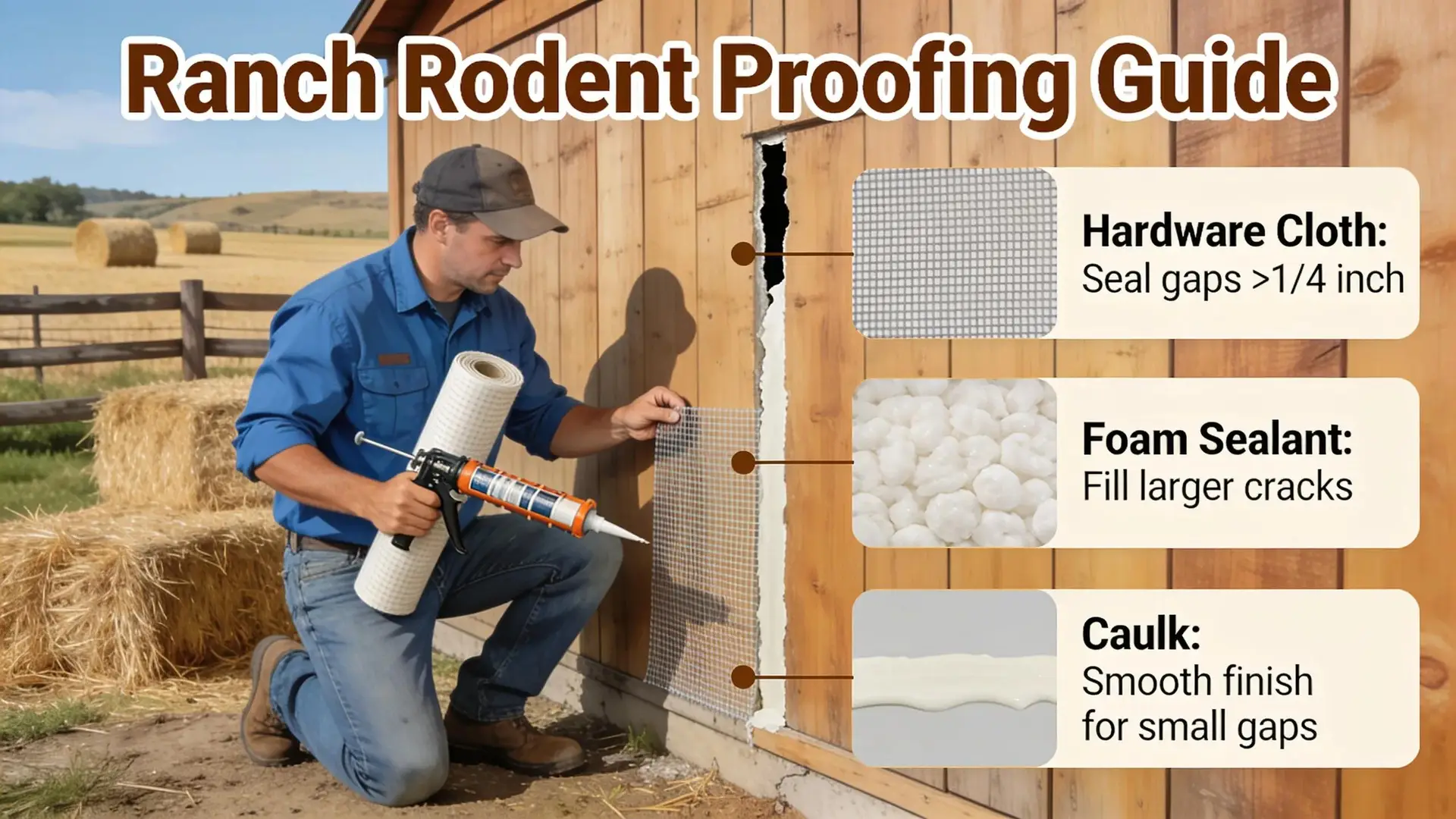
Rodent proofing barns effectively requires careful planning and implementation of clear techniques. Key steps in this process may include:
Inspection of Structures: Conduct thorough inspections to identify vulnerable areas in barns and surrounding structures that may allow entry.
Sealing Gaps: Use appropriate materials like hardware cloth and sealants to effectively plug entry points identified during inspections.
Regular Maintenance: After initial proofing, implement regular checks and maintenance to ensure that all seals remain intact, and address any new vulnerabilities promptly.
These techniques, when applied systematically, provide a strong defense against rodent invasions, protecting barns and livestock feed.
Recommended exclusion materials: metal flashing, wire mesh, and others
Choosing the correct exclusion materials is critical for successful rodent control. Some of the most recommended materials include:
Metal Flashing: Offers long-lasting protection by creating impassable barriers for rodents at entry points.
Wire Mesh: Durable and flexible, wire mesh can cover openings such as vents and gaps without compromising airflow.
Expandable Foam with Wire Insert: This material combines flexibility with strength, making it particularly effective for sealing irregularly shaped gaps.
Understanding the benefits of these materials helps ranchers make informed decisions that enhance their rodent proofing efforts.
How does Critter Gitters Pest Control deliver ranch rodent control in Crockett TX?
Critter Gitters Pest Control employs an integrated pest management approach tailored to local ranching challenges. Their process begins with:
Comprehensive Inspections: Identifying potential risks and vulnerabilities across the premises allows for targeted interventions.
Trapping and Exclusion Methods: The company utilizes a combination of trapping techniques and high-quality exclusion materials to eliminate current infestations while preventing future occurrences.
Long-term Management Practices: Ongoing monitoring and preventative measures ensure ranchers remain protected against rodent threats long after initial interventions.
Choosing a professional service brings expertise and reliability to pest management solutions.
Overview of local rodent control process and integrated pest management
Employing an integrated pest management approach is essential for effective rodent control on rural ranches. This methodology involves a range of strategies, including:
Physical Exclusion: Focusing on physical barriers against rodent access, including reinforced structures and sealed openings.
Cultural Management: Incorporating best practices for feed storage and barn maintenance helps reduce attractants that draw rodents in.
Biological Controls: Exploring predatory animal interventions may serve as an additional layer of pest management.
When these strategies are combined, ranchers create a sustainable pest control solution that minimizes reliance on chemical treatments.
Why choose our humane wildlife removal and feed protection services?
Critter Gitters prioritizes humane wildlife removal methods that not only protect farms but also align with ethical practices. With local expertise, the company understands the environment and challenges that ranchers face. We currently serve a variety of regions; visit our “all locations” page to see if we operate in your specific area.
By integrating humane removal techniques into their services, Critter Gitters offers a balanced approach that provides effective results while keeping the welfare of wildlife in mind.
What are best practices for protecting livestock feed from rodent and wildlife pests?
To safeguard livestock feed, implementing best practices is essential to diminish infestations:
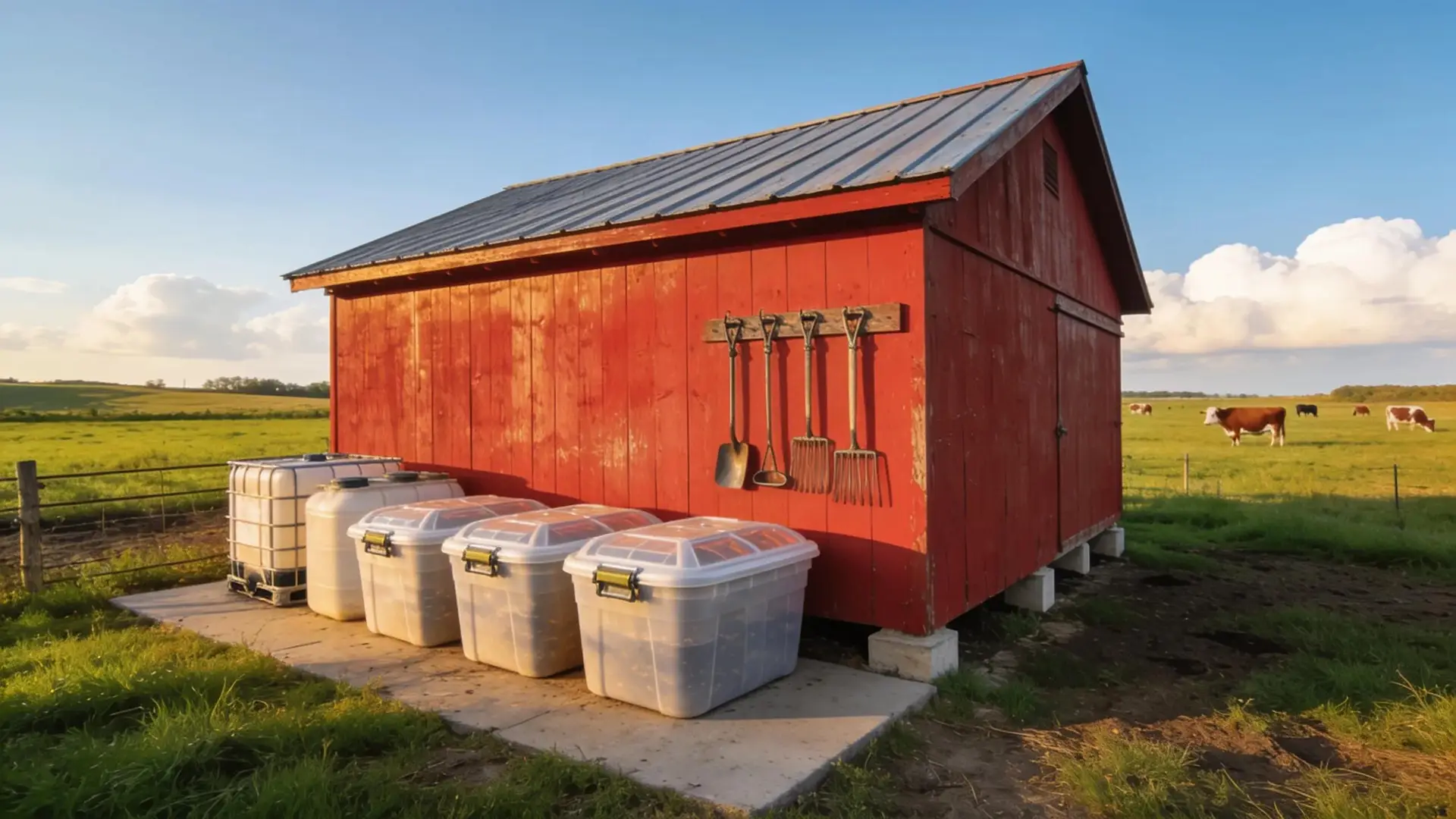
Proper Storage: Use rodent-proof containers for storing feed to prevent access and contamination.
Regular Inspections: Schedule routine checks of feed storage areas to quickly identify and eliminate potential threats.
Sanitation Efforts: Maintain clean environments, ensuring that feed areas are free of spills and debris that may attract pests.
Following these practices ensures feed remains safe and healthy for livestock consumption.
Feed storage solutions and pest-proofing strategies for ranch barns
An effective feed storage strategy includes designing areas that deter rodents while offering easy access for ranchers. Recommended solutions include:
Elevated Storage: Keeping feed off the ground minimizes access points for rodents who might otherwise burrow.
Sealed Containers: Utilizing strong, sealed bins for feed keeps it protected from pests.
Dedicated Storage Areas: Designating specific sections solely for feed storage can simplify monitoring and maintenance routines.
Implementing these strategies fosters a proactive approach to pest management.
Case studies and testimonials demonstrating feed protection success
Evidence of effective rodent control can be seen through case studies showcasing successful prevention and management strategies employed by fellow ranchers. Positive results, such as a decrease in rodent activity after implementing recommended practices, testify to the success of strategic interventions. Testimonials from satisfied clients highlight the comprehensive nature of Critter Gitters Pest Control’s services, underscoring their commitment to addressing ranch-specific pest control challenges effectively.
What common questions do ranchers have about rodent proofing and barn pest control?
Addressing common concerns among ranchers can enhance understanding and cooperation in pest management initiatives. Frequently asked questions include:
How effective is rodent proofing?: Rodent proofing has shown to be highly effective, particularly when combined with continuous monitoring and maintenance efforts.
What traps work best for rural settings?: Mechanical traps are generally recommended for immediate population control, while snap traps offer rapid solutions.
When should I contact a pest management professional?: Engaging professionals is advisable when infestations are suspected or when timely intervention is required for effective resolution.
These insights equip ranchers with the knowledge needed to approach rodent control proactively.
How safe and effective are barn rodent proofing treatments?
Many ranchers express concerns regarding the safety and effectiveness of various rodent proofing treatments. Generally, when using humane and targeted methods, such as those offered by Critter Gitters, ranchers can expect safe practices that protect both their livestock and the environment.
The treatments are specifically designed to minimize risks while delivering strong results, confirming their suitability as part of an integrated pest management plan.
Is professional rodent proofing necessary for rural farms?
Given the complexities involved in rodent management, professional rodent proofing offers significant advantages. While some ranchers may attempt DIY methods, the risks of improper execution can lead to greater issues down the line.
Professional services bring expertise, tailored solutions, and ongoing support necessary to ensure long-term effectiveness in pest control strategies.