By Joseph Baker, Critter Gitters Pest Control
Humane bat exclusion is essential for maintaining a safe and healthy home environment, especially in areas where bat populations thrive. In The Woodlands, Texas, residents may face significant challenges related to bat infestations in attics, which can lead to health risks and property damage. This article delves into the Texas Parks and Wildlife Department (TPWD) guidelines for bat exclusion, emphasizing the importance of humane practices while ensuring compliance with regional regulations. Homeowners will learn how to recognize signs of an infestation, explore humane techniques for bat exclusion, and understand the necessary steps for guano cleanup and attic repairs post-exclusion. Finally, we highlight the services offered by Critter Gitters Pest Control, a reliable resource for humane bat removal services, and provide guidance on how to schedule their services.
What are the TPWD Guidelines for Bat Exclusion in The Woodlands?
The Texas Parks and Wildlife Department (TPWD) has established guidelines to ensure the humane treatment of bats during exclusion efforts. These guidelines emphasize the importance of conducting exclusions in a manner that prioritizes the welfare of bat species, particularly during maternity seasons when mothers are raising young. Excluding bats without adherence to these regulations can not only harm local wildlife but also lead to legal consequences for homeowners. To stay compliant, residents must consider the timing of exclusions, ensuring they do not disturb bats during critical phases of their life cycles.
When is the safest timing for humane bat exclusion in Texas?
The safest timing for humane bat exclusion in Texas typically falls outside of the maternity season, which spans from late spring through early fall. It is crucial to conduct exclusions either during late fall or winter when bats are less likely to be present in residential areas. During these months, homeowners can effectively seal entry points after verifying there are no young bats inside. Performing exclusion during appropriate times protects bat populations while ensuring homeowners can maintain the integrity of their living spaces.
How to Recognize Signs of a Bat Infestation in Your Attic?
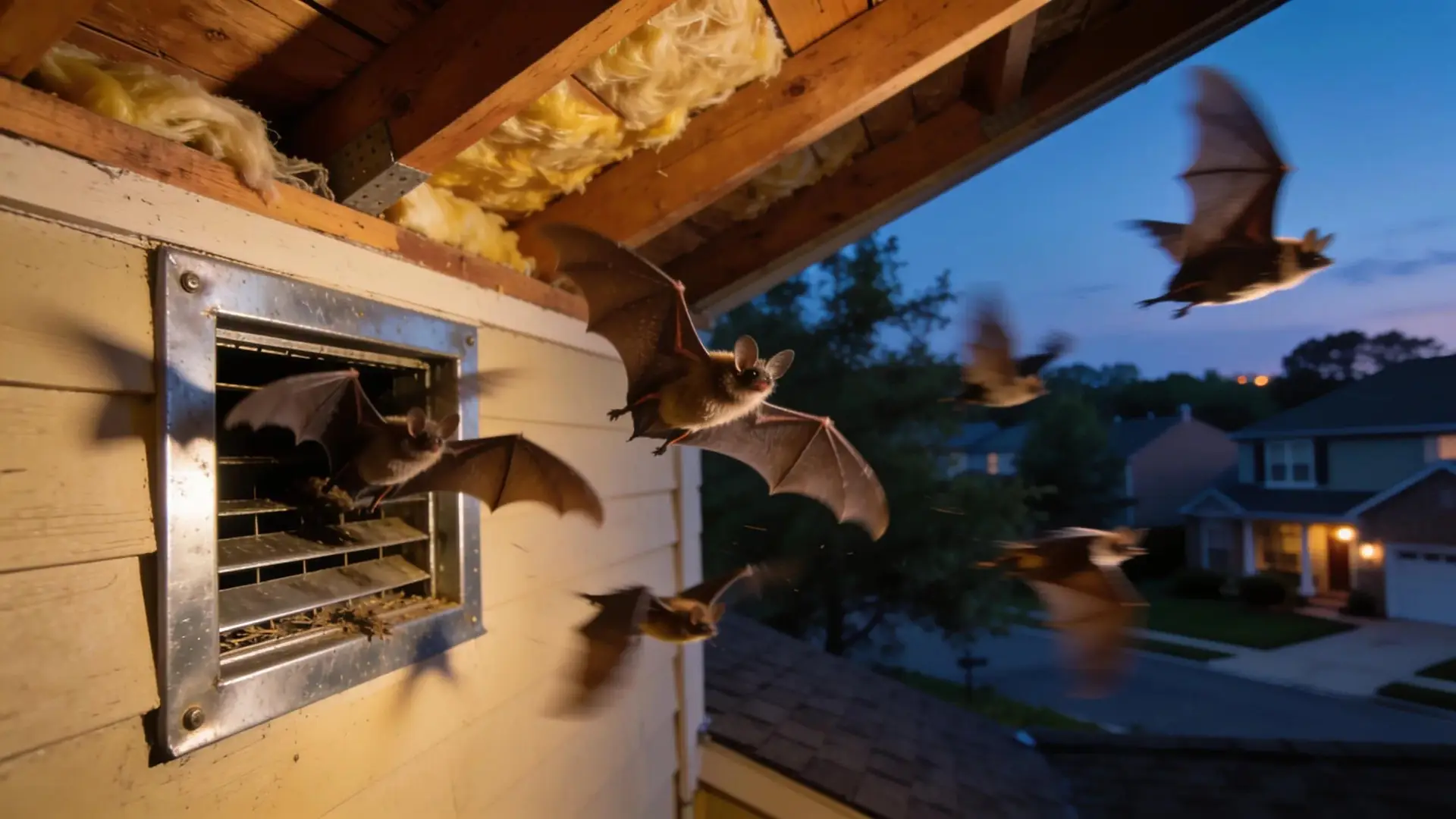
Detecting a bat infestation in your attic involves looking for several key indicators. Homeowners should be aware of visual signs, such as droppings and urine stains, which can often be found near entry points or nesting areas. Additionally, excessive noise during the evening hours, like screeching or fluttering sounds, may indicate bat activity. Unusual odors, stemming from bat guano, can also signal the presence of bats. Vigilance in identifying these signs can help homeowners take prompt action before the problem escalates.
Understanding the common signs of an infestation is a vital first step for any homeowner concerned about the presence of bats in their living space.
Health Risks and Management of Bats in Homes
During the warmer months of April through October, commensal bats sometimes become a nuisance due to their colonial habits and resultant odors, noises, guano deposits, and associated aesthetic and economic damages. Bat ectoparasites and at least one fungal disease, histoplasmosis, are of some medical import and the observation of bats flying about a residence is frequently disturbing to the human occupants. Bats in human dwellings: health concerns and management, 1983
What Are the Humane Bat Exclusion Techniques Used by Experts?
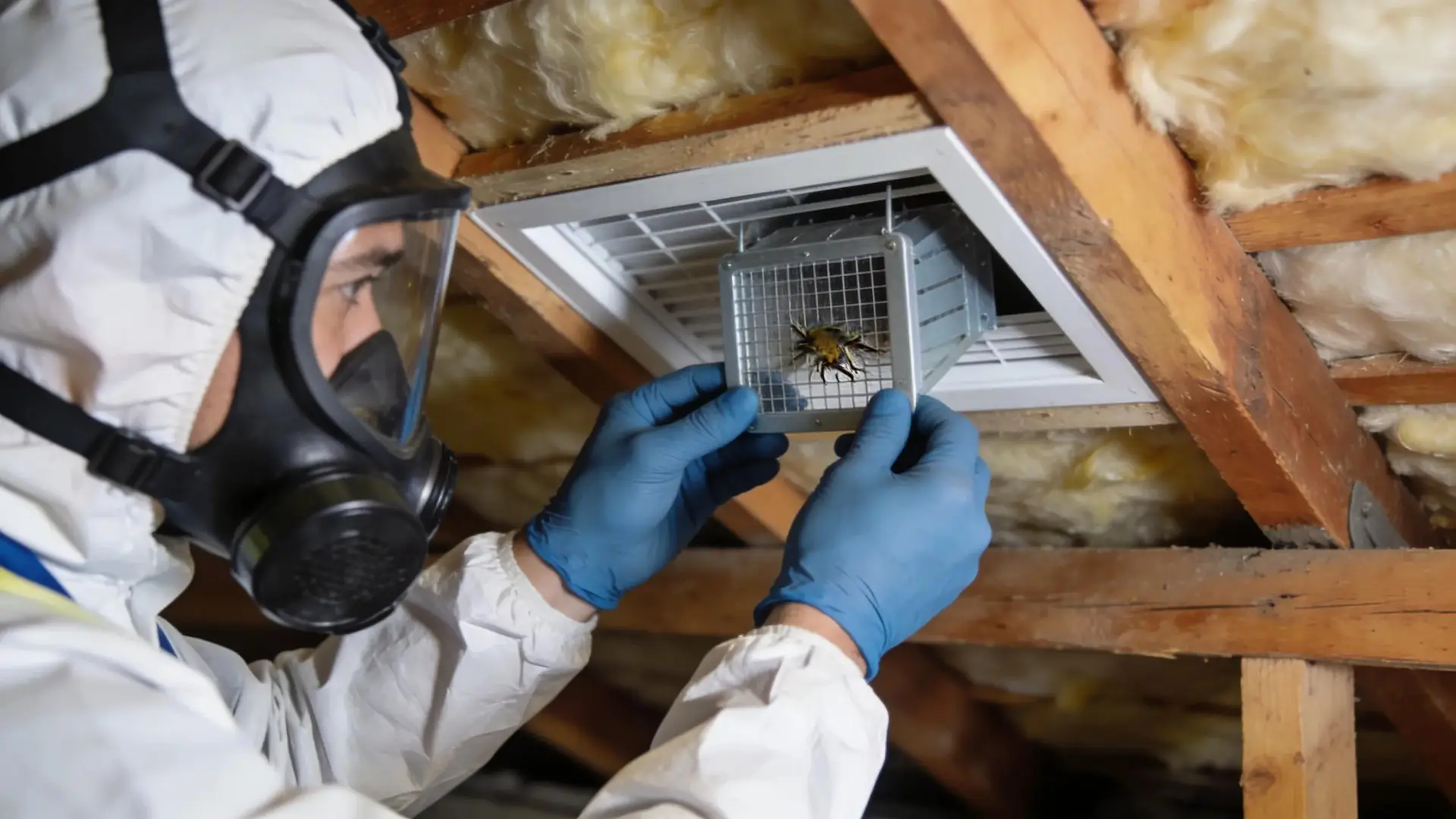
Professionals employ various humane bat exclusion techniques to manage infestations effectively. One common method involves the use of one-way exclusion devices, which allow bats to exit but prevent their return. This technique is designed to ensure that bats can safely leave the premises without being harmed. After successfully evicting the bats, all entry points should be sealed to prevent future infestations.
Proper exclusion protocols rely on professional-grade methods to ensure the structural integrity of your home remains intact while keeping local bat colonies safe.
Professional Batproofing Techniques for Attic Exclusion
The soundest long-term solution for the management of bats that enter buildings and cause a nuisance problem or present a public health hazard is by batproofing the structure. Chemical toxicants do not solve house bat problems and may create worse ones. This manual describes batproofing techniques that will provide effective and acceptable alternatives for dealing with house bat problems and hazards. House bat management, 1982
What safety and eco-friendly methods ensure family and pet protection?
Safety is a paramount concern during bat exclusion. Experts utilize eco-friendly materials and non-toxic deterrents to ensure that both families and pets remain protected throughout the process. Techniques may include the installation of safe barriers and using noise and light deterrents to encourage bats to relocate without causing distress. These methods prioritize not only humane treatment of wildlife but also the safety of human and animal inhabitants in the area.
How Is Bat Guano Cleanup and Attic Repair Handled Post-Exclusion?
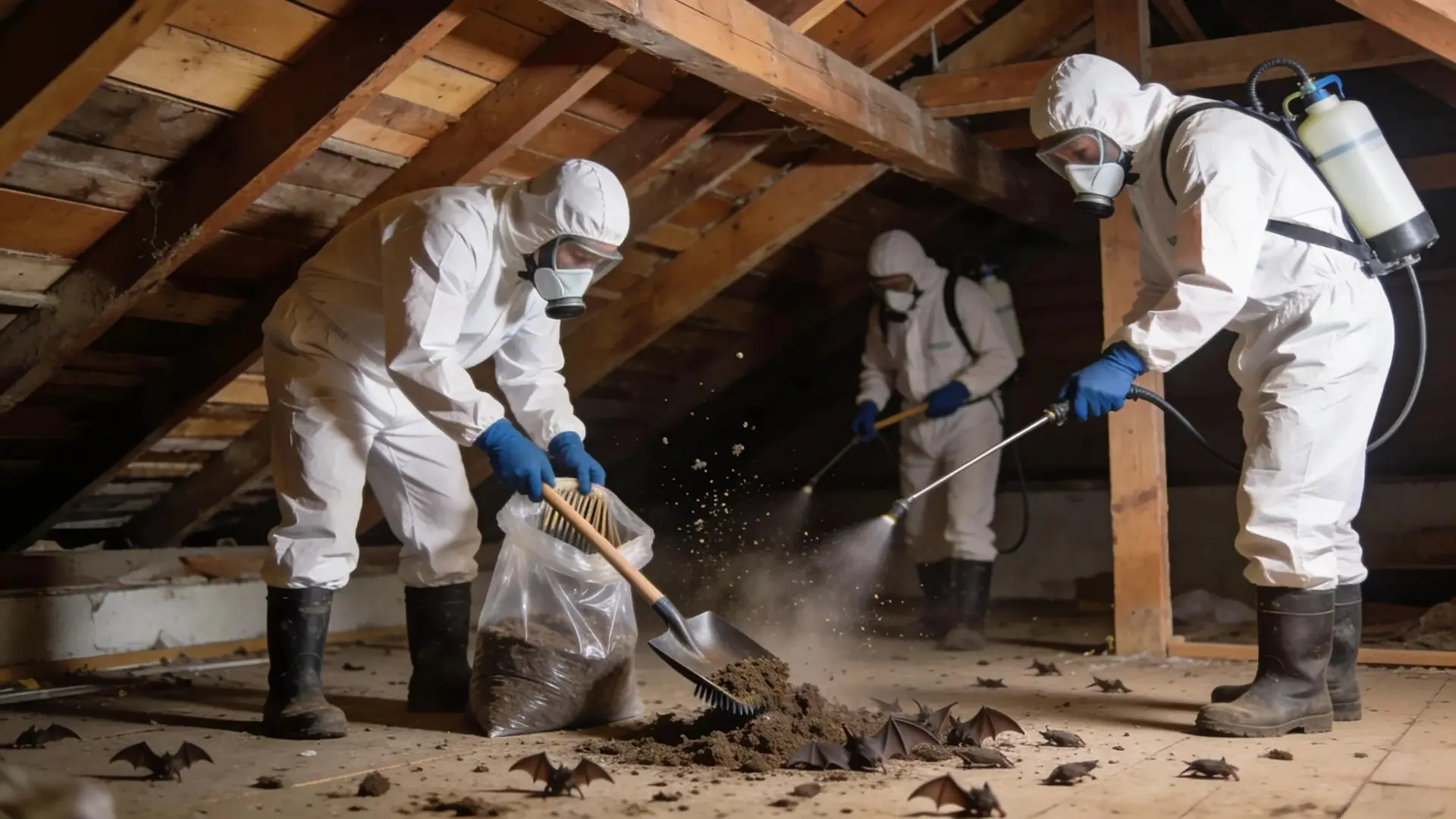
Once a bat exclusion process is complete, proper cleanup and repairs are critical to restoring health and safety to the home. Bat guano can pose health risks, as it is known to harbor various pathogens, including histoplasmosis. Professional cleanup services are essential to safely remove guano, disinfect the affected areas, and address any structural damage that may have occurred due to the infestation. Effective removal and remediation efforts prevent health hazards and restore the attic’s functionality.
Engaging professionals for cleanup is necessary to navigate the specific health hazards associated with concentrated bat waste.
Safety Guidelines for Professional Bat Guano Removal
risks associated with worker exposures to old rock wool insulation and a large accumulation of bat droppings during the removal of these materials from the church’s attic. Recommendations for protecting workers from Histoplasma capsulatum exposure during bat guano removal from a church’s attic, 1994
How do attic repairs reinforce bat exclusion effectiveness?
Repairs to the attic play a crucial role in reinforcing exclusion efforts to prevent future bat invasions. Homeowners are encouraged to seal all entry points, repair damaged vents or chimneys, and reinforce roofline gaps. This comprehensive approach minimizes the likelihood of re-entry by bats and strengthens the overall integrity of the home. Investing in quality repairs can save homeowners money in the long run by reducing the chances of recurring infestations.
Why Choose Critter Gitters for Wildlife and Bat Removal in Montgomery County?
Selecting the right pest management service is vital for effective bat removal and exclusion. Critter Gitters Pest Control stands out for their expertise and commitment to humane practices. Their team comprises ACE-certified technicians who possess thorough knowledge of local wildlife behavior and TPWD regulations. Additionally, Critter Gitters is fully licensed (TPCL #13381) and prioritizes customer satisfaction through meticulous service and positive outcomes.
How Can Residents Schedule Humane Bat Removal Services in The Woodlands?
Scheduling humane bat removal services with Critter Gitters is a straightforward process. Residents can reach out via phone at (936) 546-7493 or contact them via email at info@cgpest.com. The scheduling process typically involves an initial consultation to assess the situation, followed by an explanation of the recommended exclusion methods and compliance with TPWD regulations. Homeowners can expect a thorough and professional experience throughout the process to ensure their home is safe from bats and other potential wildlife threats. If you need other services, such as ant control, our team is equipped to assist with various pest challenges.
What should homeowners expect during the bat exclusion process?
During the bat exclusion process, homeowners can anticipate a comprehensive assessment of their property. Initial steps will typically include a detailed inspection of the attic and potential entry points to determine the extent of the infestation. After the assessment, wildlife experts will outline a humane removal plan, which may involve setting up exclusion devices. Following the removal of the bats, professionals will ensure that all entry points are sealed and discuss necessary follow-up actions to maintain a bat-free home environment. For more information, please contact us to discuss your specific needs.